Water Softener Installation for Better Showers and Cleaner Dishes
Hard water is one of those household problems that does not kick down the door. It sneaks in wearing socks. One day your shower glass looks like it has been dusted with powdered sugar. Your clean dishes come out of the dishwasher with spots, streaks, and a smug attitude. Your towels feel as if they were woven from dried pasta. Then someone in the house says, “Maybe we just need better soap,” and that is how hard water keeps getting away with it.
A water softener installation can change the whole mood of a home. Not in the dramatic way a kitchen remodel does, where everyone suddenly starts using words like “backsplash” with confidence. It is quieter than that. Showers lather better. Dishes dry cleaner. Faucets stop developing crusty little mineral mustaches. Water heaters work with less mineral buildup. Pipes, fixtures, appliances, and skin all get a break.
The funny thing is, many homeowners do not think about water quality until something starts looking ugly or feeling expensive. Hard water rarely causes a single grand disaster. It causes hundreds of small annoyances and a few larger repair bills that seem unrelated until a good plumber points at the culprit: calcium and magnesium, the mineral twins of household irritation.
What hard water is actually doing in your home
Hard water contains dissolved minerals, mostly calcium and magnesium. These minerals are not dangerous in normal household water, so this is not a panic topic. Nobody needs to clutch pearls over a glass of hard water. But minerals behave differently when water is heated, sprayed, dried, or pushed through appliances day after day. They leave deposits behind, and those deposits become scale.
Scale is the chalky buildup you see on showerheads, faucet aerators, dishwasher interiors, coffee makers, and sometimes the inside of toilet tanks. It also forms where you cannot see it, which is where the plot thickens. Inside water heaters, supply lines, valves, and appliance components, hard water can coat surfaces and reduce efficiency. Over time, it can shorten the service life of equipment that would prefer not to be internally frosted like a stale donut.
If you have ever removed a showerhead and found the screen clogged with white crumbs, you have met scale in its natural habitat. If your dishwasher is leaving cloudy glassware, your soap may be losing a fight with minerals before it even gets to the food grime. If your water heater seems less enthusiastic than it used to, sediment and mineral accumulation may be part of the story, especially in areas with very hard water.
Water hardness is commonly measured in grains per gallon, often shortened to gpg, or in parts per million. Anything above about 7 gpg is generally considered hard. Some regions see 15, 20, or even more grains per gallon, which is not water so much as a geology tour in liquid form. A water test gives the real answer for your home because municipal averages and neighborhood gossip are both useful, but neither one should size a softener.
Why better showers start with chemistry, not fancier shampoo
Hard water and soap have a lousy working relationship. Minerals in hard water react with soap and reduce lather. That means you use more soap, shampoo, conditioner, shaving cream, and laundry detergent just to get the same result. The soap that does not lather well can leave residue behind, which is why skin can feel dry or filmy after showering and hair may feel dull even when you are doing everything “right.”
Soft water, by contrast, lets soap behave like it went to finishing school. A little goes farther. Shampoo rinses more cleanly. Shaving often feels smoother. Body wash stops vanishing into the mineral void. The first few showers after water softener installation can feel oddly slippery, and homeowners sometimes worry that the soap is not rinsing off. It is rinsing. You are just not feeling the same mineral residue you used to mistake for “clean.”
This is one of the most common adjustment periods. People raised on hard water often associate squeaky skin with cleanliness, but that squeak may be residue and dryness. Soft water feels silkier. Your skin may appreciate the change before your brain does.
There is a small trade-off here. Because soft water improves soap performance, using the same amount of product can feel excessive. Most households can reduce shampoo, body wash, and detergent once the system is dialed in. If teenagers live in the house, “use less shampoo” may need to be repeated with the grim patience of a courtroom stenographer.
Cleaner dishes, fewer spots, and less dishwasher drama
Dishwashers hate hard water. They do not complain out loud, but they leave notes in the form of cloudy glasses, white residue, spotted silverware, and crusty heating elements. Detergents have improved over the years, and rinse aids can help, but if your water is very hard, chemistry still wins many rounds.
Softened water helps dishwasher detergent clean more effectively because it is not busy wrestling calcium and magnesium. Glassware comes out clearer. Plates feel cleaner. Stainless steel interiors stay less crusty. The dishwasher does not have to fight as much mineral scale in spray arms and valves.
A homeowner once told me she thought her dishwasher was “just bad at being a dishwasher.” It was not ancient, it ran a full cycle, and it made all the appropriate swooshing noises. But the glasses looked cloudy enough to qualify as weather. After the water hardness tested high and a softener went in, the dishwasher suddenly became competent. Same machine. Same kitchen. Less mineral sabotage.
Cloudy glassware is not always reversible, however. Hard water spotting can often be cleaned. Etching, which is permanent damage to glass caused by a combination of chemistry, heat, and time, cannot be un-etched. A water softener can help prevent ongoing damage, but it will not restore glass that has already crossed into “antique sea glass” territory.
What a water softener actually does
A traditional water softener uses ion exchange. Inside the tank are tiny resin beads. These beads attract and hold calcium and magnesium ions from the water, swapping them for sodium or potassium ions. The softened water then flows through your plumbing system. Periodically, the unit regenerates, flushing the resin with a brine solution from the salt tank so it can keep working.
That sounds like something from a high school chemistry lab, but the installed equipment is fairly straightforward: a resin tank, a brine tank, a control valve, a bypass valve, drain tubing, and plumbing connections. The control valve is the brain. It tracks water usage or time, depending on the model, and tells the system when to regenerate.
Good installation matters. A properly installed softener should treat the hot and cold water used inside the home while leaving outdoor hose bibs untreated when practical. You usually do not need softened water for the lawn, and paying to soften irrigation water is like seasoning the driveway. Many homes are plumbed in a way that makes this simple. Some are not, especially older houses, remodeled homes, or properties where previous plumbing decisions were made with optimism and a flashlight.
A professional plumber will look at main line access, pipe material, drain location, electrical outlet availability, water pressure, household size, hardness level, and local code requirements. Those details determine whether the job is clean and simple or whether it has a few wrinkles.
Signs your home is begging for softer water
Hard water signs can overlap with other plumbing issues, so it helps to look at the whole pattern. One crusty faucet does not prove anything. A whole house full of scale and spotty dishes starts building a pretty convincing case.
Common signs include:
- White or gray scale on faucets, showerheads, and glass shower doors
- Dishes, glasses, or silverware that come out spotted even after a full wash cycle
- Dry-feeling skin, dull hair, or poor soap lather in the shower
- Laundry that feels stiff, scratchy, or never quite fresh
- Frequent mineral buildup in coffee makers, ice makers, humidifiers, and water heaters
If you also have low water pressure, strange pipe noises, rusty water, or recurring leaks, do not blame everything on hardness. Those may point toward plumbing leak repair, corrosion, pressure issues, or old pipes that need a closer look. Hard water can be part of the problem without being the entire villain. Houses love ensemble casts.
Sizing matters more than the sticker on the tank
Water softeners are not one-size-fits-all appliances. The correct size depends on hardness, water usage, household occupancy, and sometimes iron levels. A family of five with very hard water needs more capacity than one person in a small home with moderately hard water. Oversizing can waste money. Undersizing causes frequent regeneration, salt waste, hard water breakthrough, and general disappointment.
A contractor may calculate softener size using grains of hardness multiplied by daily water use. A common rough estimate for indoor water use is 50 to 75 gallons per person per day, though real households vary. If your hardness is 15 gpg and four people live in the home, daily softening demand might land somewhere around 3,000 to 4,500 grains per day before adjustments. That helps determine whether a 32,000-grain, 48,000-grain, or larger system makes sense.
Iron changes the calculation. Even small amounts of dissolved iron can foul resin and stain fixtures. Some softeners can handle modest iron levels, but not all water problems should be dumped onto a softener like it is the intern. Well water especially deserves proper testing. Hardness, iron, manganese, pH, sulfur odor, sediment, and bacteria risk all call for different treatment methods.
This is where a water test pays for itself. Guessing at water treatment equipment is an expensive hobby.
Salt-based, salt-free, and the great “conditioner” confusion
Most people use the phrase “water softener” broadly, but not every water treatment device actually softens water. Traditional salt-based softeners remove hardness minerals through ion exchange. Salt-free systems, often called conditioners or descalers, generally do not remove calcium and magnesium. Instead, they attempt to change how minerals behave so they are less likely to form hard scale.
Salt-free conditioners can be useful in the right setting. They avoid salt use, do not discharge brine, and may reduce scale adhesion. But they will not produce the same silky shower feel or soap performance as a true softener because the hardness minerals remain in the water. If your main goal is better lather, cleaner dishes, softer laundry, and fewer mineral spots, a traditional softener usually wins.
There are places where salt-based softeners face restrictions because of brine discharge concerns. Local rules matter. Some septic system service professionals also like to review water softener discharge on homes with septic systems, especially if the system is older, undersized, or already struggling. A modern demand-initiated softener that regenerates efficiently is generally kinder than an old timer-based unit that backwashes whether it needs to or not. Still, the right answer depends on the site.
Potassium chloride can be used instead of sodium chloride in many softeners, which appeals to households watching sodium discharge or intake. It costs more and may require control valve adjustments. It is not magic, but it is an option.
Installation day: what actually happens
A clean water softener installation usually takes several hours, assuming the plumbing is accessible and the home has a suitable drain and outlet nearby. The plumber shuts off the water, cuts into the main supply line, installs a bypass valve and connections, ties in the softener, routes the drain line, sets up the brine tank, programs the valve, and tests for leaks. If pipe rerouting is needed, or if the main line is tucked behind drywall in a place only a raccoon could love, the job can take longer.
The bypass valve matters more than homeowners realize. It lets you isolate the softener for service without shutting down water to the entire house. If the unit ever needs maintenance, resin replacement, or valve repair, a bypass keeps life civilized. Civilization, in plumbing terms, means being able to flush a toilet while something is being fixed.
Drain routing also deserves attention. During regeneration, the system discharges water to a drain. That connection must follow code, typically with an air gap to prevent cross-contamination. Running a drain tube lazily into a floor drain without proper protection may work until it does not, and “until it does not” is a phrase that funds many emergency service calls.
For homes with older galvanized piping, brittle shutoff valves, or questionable pressure regulation, installation can reveal weak spots. That is not the softener’s fault. New work sometimes disturbs old components that were quietly hanging on by mineral crust and hope. A good plumber will warn you if the surrounding system looks fragile. Sometimes a softener installation pairs naturally with other work, such as replacing a failed shutoff, adding a pressure regulator, or addressing supply piping that has reached retirement age. Plumbing repiping is not casually recommended, but in some older homes, the water treatment conversation opens the door to a bigger and more honest look at the system.
Where the water heater fits into the story
Hard water is rough on water heaters. When water heats, minerals fall out of solution more readily and settle as sediment or scale. In tank water heaters, sediment Furnace repair service can collect at the bottom, insulating the burner or heating element from the water. That can increase energy use, create popping or rumbling noises, and shorten tank life. In tankless water heaters, scale can restrict heat exchangers and trigger error codes or reduced performance.
A softener can reduce future scale formation and help protect a new water heater installation. It will not necessarily fix an old heater that is already packed with sediment like a snow globe from the underworld. If your water heater is noisy, slow to recover, leaking, or producing rusty water, it needs separate evaluation. Water heater repair may solve some issues, but age and tank condition matter.
Tankless units in hard water areas especially benefit from water treatment and regular descaling. Many manufacturers specify maintenance intervals based on hardness. Ignore those instructions and the unit may respond with the mechanical equivalent of rolling its eyes.
Soft water also interacts with anode rods in tank water heaters. Some softened water conditions can accelerate anode consumption, particularly depending on water chemistry. That does not mean softeners are bad for water heaters. It means maintenance still matters. Checking or replacing an anode rod periodically can help extend tank life, especially in homes where water chemistry is aggressive.
The maintenance nobody should pretend is complicated
A water softener is not maintenance-free, but it is not needy either. The main chore is keeping salt in the brine tank. Most households check it monthly at first, then settle into a rhythm once they learn usage. Salt consumption depends on hardness, household water use, and system settings. A typical home might use a few bags per month, though the range is wide.
Use the salt type recommended for your unit. High-purity pellets are common because they dissolve cleanly and reduce sludge. Rock salt is cheaper, but it can contain more insoluble material. That can leave mush and debris in the brine tank. Bargain salt sometimes becomes expensive in the way bargain shoes become expensive after one rainy walk.
The brine tank should not be packed full to the lid all the time. Keeping it at least partly filled is necessary, but overfilling can hide salt bridges. A salt bridge forms when salt hardens into a crust above the water level, making the tank look full even though the system cannot make proper brine. If the water suddenly feels hard again and the tank appears full, poke gently with a broom handle. Do not attack it like you are mining for treasure. Crack the bridge, clear loose salt if needed, and let the system regenerate.
Resin can last many years, often a decade or more in favorable conditions, but chlorine, iron, sediment, and poor maintenance can shorten that life. City water with high chlorine may gradually degrade resin. Well water with iron may require resin cleaner or pretreatment. If the softener is regenerating but the water tests hard, the resin or valve may need attention.
What about drinking water?
Some homeowners wonder whether softened water is safe to drink because the ion exchange process adds sodium. For most healthy adults, the added sodium is relatively small, but the exact amount depends on hardness. The harder the water, the more sodium gets exchanged into it. People on strict sodium-restricted diets should ask their physician and may prefer a separate reverse osmosis tap for drinking and cooking water.
Many homes use softened water for the whole house and install reverse osmosis at the kitchen sink for drinking water. That combination can work beautifully: soft water protects plumbing and appliances, while reverse osmosis polishes drinking water. It is not required in every home, but it is a common pairing where taste, sodium, or dissolved solids are concerns.
Softened water is not ideal for every use. Many people prefer unsoftened water for outdoor plants, lawns, and some aquariums. Some houseplants tolerate it. Others act offended. If you are serious about fishkeeping, you already know water chemistry can become a full-time personality trait, so test and adjust accordingly.
The hidden savings are real, but do not oversell them
Water softener companies sometimes make savings claims that sound as if the unit will pay your mortgage and teach your dog French. The real savings are more practical. You may use less soap, shampoo, detergent, and cleaning product. Appliances may run cleaner and last longer. Fixtures may need less scrubbing and fewer replacements. Water heaters may retain efficiency better with reduced scale.
Exact savings vary because households vary. A family with very hard water, multiple showers, a dishwasher, a tankless water heater, and three laundry loads a day will notice more impact than a single occupant who travels often and eats from takeout containers with the zeal of a raccoon prince. Still, the comfort improvements alone make many homeowners glad they installed one.
The best reason to install a softener is not because of a spreadsheet, although spreadsheets deserve love too. It is because daily water use gets better. The shower feels better. The dishwasher performs better. Cleaning takes less elbow grease. Plumbing fixtures stay presentable longer. Those small wins stack up.
When a softener is not the whole answer
Hard water often travels with other water quality problems, especially on wells. A softener is not a sediment filter, although some systems include filtration. It is not a cure for sulfur odor. It is not a bacteria treatment system. It is not a magic wand for old pipes, low pressure, or a drain that sounds like it is gargling soup.
If your home has recurring clogs, you may need drain cleaning, rooter service, or hydrojetting depending on the line condition. If you have a leak, you need plumbing leak repair, not softer water and positive thoughts. If rusty water appears only from hot taps, the water heater may be involved. If rust appears everywhere, piping or source water could be the issue. If pressure drops after a softener installation, the problem could be a clogged prefilter, undersized unit, restricted valve, failing pressure regulator, or preexisting supply restriction.
Homes are systems. Plumbing, heating, air, and electrical work often overlap in small but important ways. A softener needs plumbing expertise, a nearby electrical outlet, a suitable drain, and sometimes coordination around a water heater or mechanical room layout. That is why homeowners often prefer a multi-trade company for larger utility spaces. For example, Service Lion Plumbing Heating Air Electric handles the sort of real-house complexity where the water treatment equipment lives beside the water heater, near electrical, under the watchful gaze of an HVAC system that somehow occupies the exact spot everyone wants to stand.
That does not mean every softener job is complicated. Many are refreshingly straightforward. But when they are not, it helps to have someone who knows the difference between a simple install and a mechanical room chess match.
A quick homeowner checklist before installation
Before scheduling water softener installation, a little preparation can save time and reduce surprises. You do not need to become a water treatment engineer. Just gather the basics.
- Get a hardness test, and include iron testing if you use well water.
- Find the main water shutoff and make sure it works.
- Note where the main water line enters the home and whether there is a nearby drain.
- Check for a grounded electrical outlet near the planned installation area.
- Decide whether outdoor hose bibs should remain unsoftened if plumbing layout allows.
If you cannot answer all of these, do not worry. A plumber can sort it out during an estimate. The main water shutoff, however, is worth knowing about for reasons beyond softeners. Every homeowner should be able to shut off water quickly. Leaks enjoy catching people during dinner, holidays, and immediately after someone says, “At least the house is finally in good shape.”

Soft water and the rest of the mechanical room
Water treatment often intersects with other home comfort decisions. If you are replacing a water heater, adding a softener at the same time can protect the new equipment from scale. If you are remodeling and opening walls, it may be the perfect time to reroute lines so the hose bibs stay hard while indoor fixtures get soft water. If an Electrician is already adding a nearby outlet for other equipment, that can make the softener location cleaner.
The same practical thinking applies across home systems. An Air conditioning contractor thinks about airflow, refrigerant charge, and access for service. A Heating contractor thinks about combustion clearance, venting, and heat delivery. A Plumber thinks about shutoffs, drains, pressure, and pipe material. A good installation respects all of those neighboring systems. Mechanical rooms are like tiny cities. Bad planning creates traffic.
If the space also houses a furnace, heat pump, or air handler, leave room for future maintenance. Nobody doing furnace repair service, heat pump installation, air conditioning maintenance, or an air conditioning tune-up wants to climb over a brine tank like a contestant on a low-budget obstacle course. The same goes for an air conditioning repair service trying to reach equipment during July, when everyone is hot and patience has the texture of toast.
Water softeners are usually quiet and compact, but they still need access. Salt has to be added. Valves may need service. The unit may eventually need resin replacement. Install it where humans can reach it without yoga training.
Cost, value, and the temptation of the cheapest bid
Water softener installation cost varies with equipment size, brand, plumbing complexity, pipe material, local labor rates, and whether additional items are needed, such as a pressure regulator, drain work, shutoff replacement, sediment filter, or electrical outlet. A basic replacement where plumbing is already set up costs much less than a first-time installation in a finished basement with no drain nearby.
The cheapest quote is not always a bargain. The most expensive quote is not automatically the best either. Look for clarity. The estimate should identify the equipment capacity, type of valve, warranty basics, installation scope, drain method, bypass setup, and any exclusions. If someone quotes a suspiciously low price without testing the water or asking about household size, they may be selling a box, not a solution.
Brand matters, but proper sizing and installation matter more. A high-quality softener installed poorly becomes an expensive sculpture. A modest but reputable system installed correctly can serve a home well for years.
Ask about serviceability too. Can parts be obtained? Is the control valve common? Will the company service what it installs? Some proprietary systems work fine but lock homeowners into costly service arrangements. That may be acceptable if the service is excellent and transparent. It is less charming if every future repair feels like negotiating with a vending machine.
The first week with soft water
After installation, the home may not feel fully transformed instantly. The softener begins treating new water right away, but the water heater still contains previously hard water until enough hot water has been used and replaced. Depending on tank size and usage, the hot side may take a little time to feel fully soft.
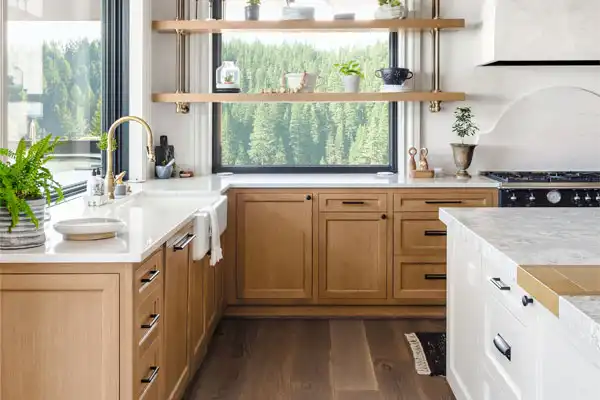
Scale already on fixtures will not vanish overnight. Showerheads may need cleaning. Faucet aerators may still contain mineral debris. Dishwasher interiors may need a cleaning cycle. Think of the softener as stopping new mess from forming quickly, not as sending tiny janitors into every appliance.
Soap amounts should be adjusted. Use less detergent in the washing machine, especially with high-efficiency units. Too much detergent in soft water can leave residue and cause odor issues. Dishwashers may also need less detergent, and rinse aid settings might be reduced. If clothes feel slippery or towels seem less absorbent, excess detergent may be the culprit.
The shower is usually where people notice the change first. Better lather, easier rinsing, and less scale on glass make the bathroom feel less like a mineral exhibit. If the shower door has years of etched staining, cleaning may improve it but not restore perfection. Hard water damage can be stubborn, which is rude but unsurprising.
When to call a professional instead of wrestling pipes yourself
Some homeowners can handle basic plumbing work, and replacing an existing softener with matching connections may be manageable for the experienced DIY crowd. But first-time installations often involve cutting into the main line, routing drains properly, adding bypass valves, identifying treated versus untreated branches, and complying with local plumbing code. Mistakes can cause leaks, contamination risks, pressure problems, or a system that technically exists but does not soften the water you care about.
Call a professional if the home has copper, PEX, CPVC, galvanized pipe, old valves, limited access, a septic system concern, or no obvious drain location. Also call if you are not sure where the water main enters or whether outdoor lines branch off before the treatment point. Guesswork is how people end up softening the backyard spigot and leaving the master shower hard enough to exfoliate a brick.
A professional can also spot related problems. High water pressure may need correction before it damages appliances and fixtures. Old galvanized piping may be restricting flow. A water heater may need flushing, repair, or replacement. A drain may need attention before it accepts softener discharge. A gas installation service may be relevant if water heater work is happening at the same time. A lighting contractor is probably not needed for the softener itself, unless the mechanical room is so dark that everyone is working by the glow of regret.
Better water is one of those upgrades you feel every day
Water softener installation is not glamorous in the social media sense. Nobody invites neighbors over to admire the brine tank. There is no dramatic ribbon cutting. Yet it touches daily life more often than many prettier upgrades. Every shower, every load of laundry, every dishwasher cycle, every hand wash at the sink benefits when hard water stops throwing minerals around like confetti.
The best installations start with testing, proper sizing, thoughtful placement, and clean plumbing work. The best expectations are practical: softer-feeling showers, better soap performance, cleaner dishes, less scale, and reduced mineral stress on fixtures and appliances. Not perfection. Not immortality for every water-using device. Just a home that feels easier to live in and a dishwasher that stops behaving like it has unresolved issues.
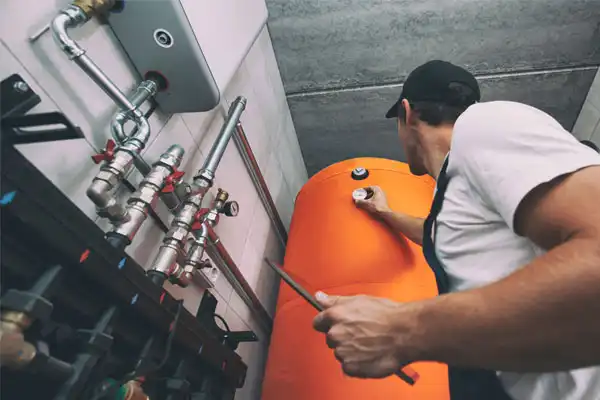
Hard water may be common, but that does not make it harmless to comfort, cleaning, or equipment life. If your faucets are crusting over, your glasses look foggy, and your shower feels more like a rinse in liquid limestone, a water softener deserves serious consideration. Your skin, dishes, towels, and water heater may not write thank-you notes, but they will make their gratitude fairly obvious.
Name: Service Lion Plumbing Heating Air Electric
Address: 521 W Briardale Ave, Orange, CA 92865, United States
Phone: (657) 337-3622
Website: https://callservicelion.com/
Email: [email protected]
Hours:
Monday: Open 24 hours
Tuesday: Open 24 hours
Wednesday: Open 24 hours
Thursday: Open 24 hours
Friday: Open 24 hours
Saturday: Open 24 hours
Sunday: Open 24 hours
Open-location code: R48R+WV Orange, California, USA
Map/listing URL:
https://www.google.com/maps/search/?api=1&query=Google&query_place_id=ChIJQU4LBWHV3IARtnABtyykSA4
Google Map:
Socials:
https://www.facebook.com/ServiceLionCA/
https://www.youtube.com/channel/UCR_L35QzsRTxYZtX8PxJvPw
Local Service Information
Service Lion Plumbing Heating Air Electric provides plumbing, drain, heating, air conditioning, and electrical services from its Orange, California location.The company serves homeowners and properties throughout Orange and communities across Orange County and surrounding areas.
Available services include plumbing repairs, water heater work, drain and sewer services, heating and cooling service, electrical repairs, panels, lighting, outlets, and related home-system work.
Service is available for residential properties as well as light commercial needs described within the company's local service-area information.
The company's website emphasizes locally operated service, coordinated home-system support, and practical scheduling for plumbing, HVAC, and electrical needs.
The matching public business listing shows the Orange location as open 24 hours a day, seven days a week.
For service information or scheduling, call (657) 337-3622 or visit https://callservicelion.com/.
The public map listing identifies the business at 521 W Briardale Ave, Orange, CA 92865 and can be used for location and direction information.
Popular Questions About Service Lion Plumbing Heating Air Electric
What services does Service Lion Plumbing Heating Air Electric provide?
The company provides plumbing, drain and sewer, heating, air conditioning, and electrical services. Its published services include plumbing repair, water heaters, drain clearing, sewer work, HVAC repair and installation, electrical repairs, panels, circuit breakers, lighting, outlets, and related services.
Where is Service Lion Plumbing Heating Air Electric located?
The matching business location is 521 W Briardale Ave, Orange, CA 92865, United States.
What areas does Service Lion Plumbing Heating Air Electric serve?
The company serves Orange County and surrounding communities. Its published service-area information includes Orange, Anaheim, Brea, Yorba Linda, Fullerton, Huntington Beach, Newport Beach, Costa Mesa, Irvine, Lake Forest, and additional nearby cities.
Is Service Lion Plumbing Heating Air Electric open 24 hours?
The matching public business listing shows the location as open 24 hours on Monday through Sunday.
Does Service Lion Plumbing Heating Air Electric work on drains and sewer lines?
Yes. Published services include drain clearing, rooter service, camera inspection, hydro jetting, sewer line repair and installation, water line work, slab leak detection, and trenchless sewer line repair.
Does Service Lion Plumbing Heating Air Electric provide heating and air conditioning service?
Yes. Its published HVAC services include air conditioning repair and installation, heating service, furnace work, heat pumps, air ducts, indoor air quality assessments, and thermostat installation.
Does Service Lion Plumbing Heating Air Electric provide electrical service?
Yes. Published electrical services include repairs and installations, electrical panels, circuit breakers, safety inspections, lighting, outlets and switches, surge protection, generators, and EV charging equipment installation.
How can I contact Service Lion Plumbing Heating Air Electric?
Call (657) 337-3622.
Email: [email protected]
Website: https://callservicelion.com/
Facebook: https://www.facebook.com/ServiceLionCA/
Landmarks Near Orange, California
Old Towne Orange Historic District
A central historic district and useful geographic reference point for the Orange community.
Plaza Park
A well-known public gathering point in the center of Old Towne Orange.
Orange Public Library & History Center
A civic landmark serving residents near central Orange.
Hart Park
A major public park and recreation area south of central Orange.
Eisenhower Park
A public park serving neighborhoods in northern Orange.
Santiago Oaks Regional Park
A regional recreation and open-space landmark on the eastern side of Orange.
Irvine Regional Park
A large regional park and recognizable reference point east of the city.
Orange Park Acres
A distinctive residential community and service-area reference point in eastern Orange.
El Modena
An established Orange neighborhood that provides a practical local coverage reference.
Glassell Street
One of the city's principal north-south streets and a useful route through central Orange.
Lincoln Avenue
A major east-west roadway serving northern Orange and nearby communities.
State Route 55
A primary regional freeway connecting Orange with other parts of Orange County.