Septic System Service Schedule for Healthy Wastewater Management
A septic system is one of those household systems that performs best when nobody is talking about it at dinner.
When it works, life is civilized. Toilets flush, showers drain, laundry happens, and the yard does not smell like a swamp with legal paperwork. When it fails, suddenly everyone in the house becomes deeply interested in wastewater management, soil absorption, and why the guest bathroom is making noises like a disgruntled trombone.
The trick is not magic. It is scheduling.
A good septic system service schedule keeps the tank from overfilling with solids, protects the drain field, prevents expensive backups, and gives a trained eye a chance to catch trouble before it grows fangs. It is not glamorous work, but neither is mopping sewage out of a basement at 9:40 p.m. On a holiday weekend. Glamour, in this trade, is usually measured by what you never have to smell.
The quiet job your septic system does every day
A septic system is basically a small, private wastewater treatment setup buried in your yard. Wastewater leaves the home through the main drain line and enters the septic tank. Inside that tank, solids settle to the bottom as sludge, fats and oils float to the top as scum, and the liquid layer in the middle flows out toward the drain field.
The drain field, sometimes called a leach field, finishes the treatment process. Effluent trickles through perforated pipes into prepared soil, where natural filtration and microbial activity do the slow, important work. When the system is designed correctly, installed properly, and maintained on schedule, it can last for decades.
The tank does not make solids disappear. That is the part homeowners sometimes miss. Bacteria help break down some organic material, but sludge still accumulates. Scum thickens. Filters clog. Pipes collect debris. Tree roots develop opinions. The system needs periodic septic system service because physics is stubborn and biology has limits.
A plumber sees the effects when the inside drains start complaining. Slow toilets, gurgling tubs, recurring drain cleaning calls, and sewer odors can all point to septic trouble. Sometimes it is simply a clog near the house that rooter service can clear. Sometimes it is a full tank. Sometimes the drain field is saturated because the household has been treating the system like a municipal sewer with infinite patience.
It is not infinite. It is a buried tank with a job.
The practical septic service schedule most homes should follow
For many households, septic tank pumping every three to five years is a reasonable starting point. That range is common because every home behaves differently. A retired couple in a two-bedroom house may go longer between pump-outs than a family of six with teenagers, a giant soaking tub, and a washing machine that seems to run on a spiritual calling.
A proper service schedule should account for tank size, number of occupants, water use, garbage disposal habits, local soil conditions, and whether the system has advanced treatment components. A 1,000-gallon tank serving a busy four-person household often needs attention sooner than a 1,500-gallon tank serving two people who spend winters elsewhere. There is no trophy for stretching the interval. The prize is usually a larger invoice.
Most septic professionals will inspect sludge and scum levels during service. That measurement matters more than the calendar alone. If the sludge layer rises too close to the outlet, solids can escape into the drain field. Once solids enter the drain field piping and soil interface, the repair conversation gets serious. That is when wallets begin making tiny whimpering sounds.
A reliable schedule looks something like this for a typical residential system:
- Pump and inspect the septic tank every three to five years, adjusted for household size and tank capacity.
- Inspect effluent filters yearly if your system has one, and clean them when needed.
- Walk the drain field seasonally, looking for soggy soil, unusual green strips of grass, odors, or standing water.
- Schedule service sooner after major household changes, such as adding occupants, finishing a basement, or installing high-flow fixtures.
- Keep records of pumping dates, inspection notes, repairs, and installer information.
That is one list, and it earns its keep. Septic maintenance is easier when you can hand a technician a record instead of saying, “I think someone pumped it around the time our youngest got braces.” Memories are charming. Service records are useful.
Why pumping is not the same as inspection
A pump-out removes accumulated sludge and scum from the tank. Good. Necessary. Not optional forever.
But pumping alone is not a full health check. A thorough septic system service should include looking at baffles or tees, checking the tank lid and risers, examining the inlet and outlet, cleaning or checking the effluent filter if present, and noting signs of backflow or structural damage. Concrete tanks can crack. Steel tanks can corrode badly enough to become a lawn hazard. Plastic and fiberglass tanks can shift if installed poorly or exposed to unusual groundwater conditions.
I have seen systems where the tank was pumped faithfully, yet nobody noticed the outlet baffle had broken off. That little missing part allowed scum to drift toward the drain field. The homeowner thought they were being responsible, and to be fair, they were trying. The service was simply incomplete. A septic tank without functional baffles is like a bouncer who lets everybody into the VIP room.
Inspection also helps distinguish septic issues from plumbing problems inside the home. If one bathroom backs up but the rest of the house drains fine, the issue may be local to that branch line. If every fixture on the lowest level gurgles after laundry drains, the main line or septic system deserves attention. Drain cleaning, rooter service, and sometimes hydrojetting can solve pipe blockages, but hydrojetting is not a cure for a packed tank or a failing drain field. The right diagnosis saves money and prevents the home improvement version of poking a bear with a broom.
The tank is not a trash can with plumbing attached
A septic system has a digestive life, but it is not a goat. It cannot eat everything.
The worst habits are usually quiet ones. A few wipes here. Grease down the sink there. A “flushable” label that should win a fiction award. Coffee grounds, dental floss, feminine hygiene products, cotton swabs, paper towels, cigarette butts, and cat litter can all cause trouble. So can heavy use of antibacterial cleaners, solvents, paints, and harsh chemicals that disrupt the tank biology or contaminate the drain field.
Garbage disposals deserve special mention. They are convenient, and I understand the appeal. Nobody wants to scrape plates like they are panning for gold. But a disposal sends extra organic solids into the tank, which can increase pumping frequency. If you use one regularly, your septic service schedule should tighten. The potato peels do not vanish. They relocate.
Water softener installation can also affect septic planning, depending on the softener type, settings, regeneration frequency, and where the discharge goes. In many homes, properly configured water softeners coexist with septic systems without drama. Poorly set systems that regenerate too often can add unnecessary water volume. If the softener backwash enters the septic system, ask your septic provider and plumber whether the setup fits local code and soil conditions.
Water volume, the sneaky villain
Many septic problems are not caused by one catastrophic event. They are caused by a steady parade of water.
A drain field needs time to absorb and treat effluent. When too much water enters the system too quickly, solids can be stirred in the tank and pushed toward the outlet. The drain field can become saturated. Treatment quality drops. The yard may become suspiciously lush in places where nobody planted ambition.
High water use often comes from ordinary fixtures. A running toilet can waste hundreds of gallons a day. A dripping faucet is annoying, but a toilet with a bad flapper is a septic system’s least funny roommate. Plumbing leak repair should happen quickly in septic homes because the extra water does more than raise the utility bill. It hammers the wastewater system.
Laundry habits matter too. Doing seven loads in one day after ignoring the hamper all week may feel efficient, but the septic system natural gas installation service would prefer a calmer schedule. Spread laundry out. Use high-efficiency machines if possible. Fix leaking supply valves and replace failing hoses before they turn the laundry room into a water feature.
Water heater installation can change household behavior in a sneaky way. Put in a larger or more capable unit, and suddenly long showers become a family art form. A modern tankless unit or larger tank is lovely, but the septic system still receives the water after everyone has achieved spa-level relaxation. Water heater repair, fixture upgrades, and bathroom remodels should all be viewed through the same practical lens: more water in means more water through.
Warning signs that should move service up the calendar
A septic schedule is not a sacred scroll. If the system starts acting up, do not wait until the date on your spreadsheet. The system is sending a message, and it is not subtle enough to ignore politely.
Common warning signs include slow drains throughout the home, gurgling sounds after flushing, sewage odors indoors or outside, wet areas over the tank or drain field, unusually green grass above the drain field, and wastewater backing up into tubs or floor drains. If the septic alarm sounds on a system with a pump chamber or advanced treatment unit, treat that as a service call, not background music.
One important detail: do not keep running water to “see if it clears.” That instinct has flooded many basements. If wastewater is backing up, reduce water use immediately. Stop laundry, dishwashing, showers, and unnecessary flushing until the cause is identified. Calling a plumber or septic technician early is cheaper than replacing flooring, drywall, and dignity.
A licensed professional can determine whether the problem is a house drain blockage, full tank, failed pump, clogged filter, broken line, root intrusion, saturated drain field, or something else. Tree roots can invade sewer and septic lines through joints or cracks. Rooter service may restore flow. Hydrojetting may be useful for certain lines, but only when the pipe condition and system design can handle it. Old, fragile, or poorly sloped pipes need careful judgment.
Seasonal timing: when to schedule service without making life weird
Spring and fall are popular times for septic system service because the weather is milder and the ground is often workable. That does not mean you cannot pump in summer or winter. Professionals service systems year-round in many regions. Still, timing can affect access, convenience, and cost.
After heavy rains, a drain field may be saturated, and tank access can be messy. During deep freezes, lids may be harder to expose if risers are not installed. Before big gatherings, it is wise to think ahead. If you are hosting twenty relatives for a holiday weekend and the septic tank has not been pumped since a flip phone lived in your kitchen drawer, schedule service before the invasion. Guests are hard enough on bathrooms without adding a neglected tank.
Vacation homes need their own approach. A cabin used heavily for two months each summer may not follow the same schedule as a primary residence. Low-use periods can extend pumping intervals, but sudden peak use can stress the system. If a property sits empty for long stretches, inspection still matters. Lids crack, roots grow, pumps fail, and curious animals occasionally create situations that sound made up until you see the invoice.
The drain field deserves more respect than it gets
Homeowners tend to focus on the tank because it has lids, measurements, and a truck that arrives to pump it. The drain field is quieter and, in many ways, more precious. Replacing a tank is one kind of expense. Replacing a drain field can be an entirely different financial climate.
Protect the drain field from compaction. Do not park vehicles, trailers, or heavy equipment on it. Do not build patios, sheds, decks, or swimming pools over it. Avoid deep-rooted trees nearby. Grass is usually the safest cover because it helps prevent erosion without sending woody roots into the system. Downspouts, sump pumps, and surface drainage should not discharge onto the drain field. It has enough to do without accepting stormwater like a municipal employee with no lunch break.
The soil above a drain field should not smell like sewage. It should not be soggy in dry weather. Snow melting faster over the drain field can be normal in some circumstances, but paired with odor or wetness it deserves attention. Bright green grass in neat stripes may look charming from a distance. Up close, it may be the lawn equivalent of a warning light.
When plumbing, heating, and electrical trades overlap with septic health
A home is a collection of systems pretending to be separate. Septic health often intersects with plumbing, electrical, heating, and cooling work in practical ways.
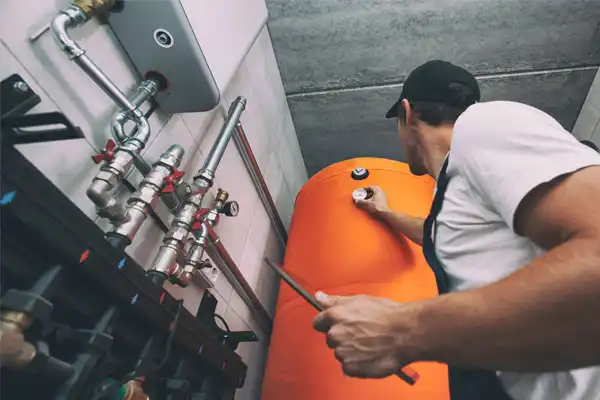
An Electrician may be needed for septic systems with pumps, control panels, floats, alarms, or advanced treatment equipment. If the breaker trips repeatedly, do not just reset it forever and call that a lifestyle. Pumps can fail, floats can stick, junction boxes can leak, and controls can corrode. Electrical faults around wastewater equipment deserve prompt, qualified attention.
A Plumber plays a major role in protecting the septic system from inside the home. Proper venting, clear drains, leak-free toilets, sensible fixture selection, and correct pipe slope all matter. Plumbing repiping can improve old supply lines, but drainage layout and water use should also be considered during larger remodels. Water heater repair and water heater installation affect hot water availability, which can affect usage patterns. Drain cleaning helps solve clogs before they become backups, but repeated clogs should trigger a deeper investigation.
HVAC trades seem less connected, but there are overlaps. An Air conditioning contractor, Heating contractor, Furnace repair service, Air conditioning repair service, or technician performing Air conditioning maintenance may deal with condensate lines and drainage routing. Condensate should discharge where code allows and where it does not overload or undermine septic components. A heat pump installation or Air conditioning tune-up will not usually involve septic equipment directly, but outdoor unit placement should respect tank lids, drain field boundaries, and service access. Nobody wants to discover the ideal spot for a condenser is directly over the septic tank lid. That is how future technicians learn new swear words.
A Gas installation service or Lighting contractor may trench in the yard. Before any trenching, know where the tank, distribution box, septic lines, and drain field are located. Utility marking services typically mark public utilities, not always private septic components. If you do not know where your septic field is, find out before the yard becomes a guessing game with machinery.
What happens during a proper septic service visit
A good service visit is not just a truck, a hose, and a quick escape. The technician should locate and uncover the access lids, pump from the appropriate compartments, observe the tank condition, check baffles and filters, and look for signs of abnormal flow. If the system has a pump chamber, floats and pump operation may need testing. If an alarm is present, it should be checked. The technician may ask about household size, recent backups, slow drains, water use, and whether you use a garbage disposal.
The tank should be pumped through the access lid, not through a narrow inspection port when proper access is available. Pumping through small openings can leave solids behind, which is like cleaning only the middle of a dirty pan and congratulating the kitchen.
If the technician recommends repairs, ask what they observed. A cracked lid, missing baffle, clogged filter, or high liquid level each tells a different story. High liquid level may indicate an outlet obstruction, drain field problem, or pump issue. Low level may suggest a leak in the tank. A missing outlet baffle needs correction to protect the field. The details matter.
Keep the invoice. Better yet, keep a folder or digital note with dates, tank size, location sketch, photos of uncovered lids, repair notes, and recommendations. Future you will be grateful. Future you is often standing in the yard with a flashlight, so be kind.
Additives, bacteria packets, and other bottled optimism
Septic additives occupy a strange corner of home maintenance. Some products promise cleaner tanks, fewer pump-outs, better digestion, fresher smells, and possibly a more confident lawn. The reality is less theatrical.
A healthy septic tank already contains bacteria from normal wastewater. Routine use of additives is generally not a substitute for pumping and inspection. Some additives may be harmless, but others can stir solids, disrupt settling, or contain chemicals that do not belong in the system. If a product claims you never need pumping again, treat it the way you would treat a raccoon offering tax advice.
There are specific systems and circumstances where a professional may recommend particular biological or treatment products, especially with advanced units. That is different from tossing a mystery packet into the toilet because the label wore a lab coat. Ask your septic professional before adding anything beyond ordinary household wastewater and reasonable cleaning products.
The schedule changes when the household changes
Septic service planning should move with life. A new baby means more laundry. Teenagers mean more showers, sometimes of a length that suggests they are trying to dissolve. A home office can increase daytime water use. A finished basement with a bathroom adds fixture load. An aging parent moving in may change laundry, bathing, and medication patterns. Short-term rentals can be especially hard on systems because guests do not always treat plumbing with tenderness.
Medications and cleaning habits can affect tank biology, though normal household use is typically manageable. The bigger issue is often volume and solids. More people means more wastewater and faster sludge accumulation. If your household grows, shorten the pumping interval until inspection data proves you can safely extend it.
The same goes for renovations. Adding bathrooms, installing a large soaking tub, upgrading showers, or replacing appliances can change wastewater patterns. Before major remodeling, confirm the septic system is sized and permitted for the home’s actual bedroom count and expected occupancy. Septic design is often tied to bedrooms because bedrooms imply people, and people imply wastewater. A five-bedroom lifestyle in a system approved for three bedrooms can get awkward.
A realistic annual rhythm for homeowners
Homeowners do not need to obsess over the septic system. Obsession is for fantasy football and people who own white couches. What they need is a simple annual rhythm.
Once or twice a year, walk the yard and look at the tank and drain field area. Make sure lids are secure. If you have risers, check that they are intact and child-safe. Notice soggy patches, odors, erosion, animal burrows, or areas where vehicles have crossed. Indoors, pay attention to slow drains and running toilets. Schedule plumbing leak repair quickly. If one drain slows, handle it before it becomes a whole-house event.
Once a year, if your system has an effluent filter, have it checked or cleaned according to professional guidance. Some homeowners can clean accessible filters themselves if local rules allow and they are comfortable doing so safely, but many prefer to have a technician handle it. Wastewater is not a hobby for everyone, and that is healthy self-knowledge.
Every few years, pump and inspect the tank based on actual use. Let the measured sludge and scum levels guide the next interval. If the tank is nearly due and you plan a big event, pump before the event. If you are selling the home, expect the septic system to become part of the transaction. Inspection requirements vary by location, but buyers tend to appreciate systems that have records instead of folklore.
What maintenance costs, and what neglect costs
Septic pumping costs vary by region, tank size, access difficulty, disposal fees, and whether digging is required. Inspections, filter cleaning, minor repairs, and locating buried lids can add to the visit. It is reasonable to expect costs to differ widely between rural areas, suburbs, and high-cost regions. Rather than trusting a national average like it was delivered on stone tablets, call local providers and ask what is included.
Neglect costs more. A sewage backup can require emergency plumbing, cleanup, flooring replacement, drywall work, odor treatment, and sometimes temporary relocation. A damaged drain field can run into thousands or tens of thousands depending on site conditions, permitting, soil tests, design requirements, and available space. Advanced treatment systems cost more to maintain than simple gravity systems, but they may be necessary on difficult sites.
The less dramatic cost is reduced system life. A drain field that might have lasted decades can fail early if solids are allowed to enter it, if it is overloaded with water, or if it is compacted by vehicles. Maintenance is not just about preventing one bad weekend. It protects the most expensive and least convenient part of the system.
The homeowner’s short “do this, not that” guide
Some septic advice gets complicated because soils, codes, and system designs vary. The basics, however, are refreshingly blunt.
- Do fix running toilets and leaks quickly. Do not send extra water to the tank for weeks while “keeping an eye on it.”
- Do pump and inspect on a schedule. Do not wait for sewage to appear before believing the tank exists.
- Do keep grease, wipes, hygiene products, and harsh chemicals out. Do not trust the word “flushable” without skepticism.
- Do protect the drain field from traffic and excess water. Do not park the boat, RV, or delivery truck on it.
- Do call qualified help for alarms, backups, and recurring clogs. Do not solve septic mysteries by repeatedly plunging and hoping.
That is the second and final list. It is short because septic systems prefer boring consistency over heroic improvisation.
Choosing the right service provider
A good septic provider should be licensed or certified where required, insured, familiar with local codes and soils, and willing to explain findings without turning every sentence into a scare tactic. The right company documents what they did, notes concerns, and gives practical recommendations. They should not mind questions about tank size, sludge depth, filter condition, baffles, pump function, or the condition of the lids and risers.
Coordination matters when symptoms cross trade boundaries. If drains are backing up, a Plumber and septic technician may both be relevant. If pumps or alarms fail, an Electrician may be needed. If outdoor work is planned by a Lighting contractor, Gas installation service, Heating contractor, or Air conditioning contractor, septic locations should be marked first. Good contractors respect buried systems because they have seen what happens when someone does not.
Be cautious of anyone who offers a miracle fix without inspecting the system. Also be cautious of anyone who recommends immediate replacement without explaining the evidence. Septic diagnosis should be practical, not theatrical. Sometimes the answer is a pump-out and filter cleaning. Sometimes it is root intrusion in a line. Sometimes the drain field is genuinely failing. The recommendation should match the facts.
Edge cases that deserve extra attention
Older homes often have mystery systems. Records may be missing, tank materials may be outdated, and the actual layout may differ from what everyone assumed. I have seen homeowners convinced the tank was near the driveway, only to find it under a flower bed guarded by hydrangeas and denial. If you own an older property, locating and documenting the system is a worthwhile first step.
Homes with advanced treatment units need manufacturer-recommended service. These systems may include aerators, pumps, control panels, filters, disinfection units, or timed dosing. They are more sensitive to power interruptions and mechanical failures. Skipping service because “it’s just septic” is like ignoring the check engine light because the car still has tires.
Properties with high groundwater, poor soils, steep slopes, small lots, or nearby wells need stricter attention. Local health departments often regulate setbacks, repairs, and replacement options. If you suspect failure, do not start digging or redirecting wastewater. Regulations exist because untreated wastewater can contaminate wells, streams, and neighboring properties. Nothing improves neighborly relations quite like not sending sewage downhill.
Short-term rental owners should post septic-friendly bathroom guidance, use durable toilet paper, avoid garbage disposal abuse, and schedule inspections more frequently. Guests may be wonderful people, but they are not always invested in your drain field’s long-term emotional journey.
Healthy wastewater management is mostly unglamorous, which is the point
A septic system service schedule does not need to be complicated. Pump and inspect at sensible intervals. Watch water use. Fix leaks. Protect the drain field. Keep bad materials out of the tank. Pay attention when drains, odors, alarms, or soggy soil tell you something has changed.
The best septic story is the one nobody tells because nothing dramatic happened. No backup during Thanksgiving. No suspicious puddle beside the swing set. No emergency call where the technician arrives with a flashlight and the expression of someone who has seen humanity at its least filtered.
Healthy wastewater management is not about pampering a buried tank. It is about protecting your home, your yard, your groundwater, and your budget. A little scheduled attention keeps the system boring. And boring, in septic work, is a beautiful word.
Name: Service Lion Plumbing Heating Air Electric
Address: 521 W Briardale Ave, Orange, CA 92865, United States
Phone: (657) 567-7305
Website: https://callservicelion.com/
Email: [email protected]
Hours:
Monday: Open 24 hours
Tuesday: Open 24 hours
Wednesday: Open 24 hours
Thursday: Open 24 hours
Friday: Open 24 hours
Saturday: Open 24 hours
Sunday: Open 24 hours
Open-location code: R48R+WV Orange, California, USA
Map/listing URL:
https://www.google.com/maps/search/?api=1&query=Google&query_place_id=ChIJQU4LBWHV3IARtnABtyykSA4
Google Map:
Socials:
https://www.facebook.com/ServiceLionCA/
https://www.youtube.com/channel/UCR_L35QzsRTxYZtX8PxJvPw
Local Service Information
Service Lion Plumbing Heating Air Electric provides plumbing, drain, heating, air conditioning, and electrical services from its Orange, California location.The company serves homeowners and properties throughout Orange and communities across Orange County and surrounding areas.
Available services include plumbing repairs, water heater work, drain and sewer services, heating and cooling service, electrical repairs, panels, lighting, outlets, and related home-system work.
Service is available for residential properties as well as light commercial needs described within the company's local service-area information.
The company's website emphasizes locally operated service, coordinated home-system support, and practical scheduling for plumbing, HVAC, and electrical needs.
The matching public business listing shows the Orange location as open 24 hours a day, seven days a week.
For service information or scheduling, call (657) 567-7305 or visit https://callservicelion.com/.
The public map listing identifies the business at 521 W Briardale Ave, Orange, CA 92865 and can be used for location and direction information.
Popular Questions About Service Lion Plumbing Heating Air Electric
What services does Service Lion Plumbing Heating Air Electric provide?
The company provides plumbing, drain and sewer, heating, air conditioning, and electrical services. Its published services include plumbing repair, water heaters, drain clearing, sewer work, HVAC repair and installation, electrical repairs, panels, circuit breakers, lighting, outlets, and related services.
Where is Service Lion Plumbing Heating Air Electric located?
The matching business location is 521 W Briardale Ave, Orange, CA 92865, United States.
What areas does Service Lion Plumbing Heating Air Electric serve?
The company serves Orange County and surrounding communities. Its published service-area information includes Orange, Anaheim, Brea, Yorba Linda, Fullerton, Huntington Beach, Newport Beach, Costa Mesa, Irvine, Lake Forest, and additional nearby cities.
Is Service Lion Plumbing Heating Air Electric open 24 hours?
The matching public business listing shows the location as open 24 hours on Monday through Sunday.
Does Service Lion Plumbing Heating Air Electric work on drains and sewer lines?
Yes. Published services include drain clearing, rooter service, camera inspection, hydro jetting, sewer line repair and installation, water line work, slab leak detection, and trenchless sewer line repair.
Does Service Lion Plumbing Heating Air Electric provide heating and air conditioning service?
Yes. Its published HVAC services include air conditioning repair and installation, heating service, furnace work, heat pumps, air ducts, indoor air quality assessments, and thermostat installation.
Does Service Lion Plumbing Heating Air Electric provide electrical service?
Yes. Published electrical services include repairs and installations, electrical panels, circuit breakers, safety inspections, lighting, outlets and switches, surge protection, generators, and EV charging equipment installation.
How can I contact Service Lion Plumbing Heating Air Electric?
Call (657) 567-7305.
Email: [email protected]
Website: https://callservicelion.com/
Facebook: https://www.facebook.com/ServiceLionCA/
Landmarks Near Orange, California
Old Towne Orange Historic District
A central historic district and useful geographic reference point for the Orange community.
Plaza Park
A well-known public gathering point in the center of Old Towne Orange.
Orange Public Library & History Center
A civic landmark serving residents near central Orange.
Hart Park
A major public park and recreation area south of central Orange.
Eisenhower Park
A public park serving neighborhoods in northern Orange.
Santiago Oaks Regional Park
A regional recreation and open-space landmark on the eastern side of Orange.
Irvine Regional Park
A large regional park and recognizable reference point east of the city.
Orange Park Acres
A distinctive residential community and service-area reference point in eastern Orange.
El Modena
An established Orange neighborhood that provides a practical local coverage reference.
Glassell Street
One of the city's principal north-south streets and a useful route through central Orange.
Lincoln Avenue
A major east-west roadway serving northern Orange and nearby communities.
State Route 55
A primary regional freeway connecting Orange with other parts of Orange County.