Septic System Service and Sewer Hookup Topics
Septic system service and sewer hookups sit in that unglamorous corner of property ownership where nobody wants a surprise, nobody wants a smell, and everybody suddenly becomes very interested in gravity. It is not the part of a home or building that gets admired during a tour. No one says, “Lovely kitchen, and may I compliment your wastewater routing?” Yet when a septic line, sewer connection, sump pump, or plumbing drain misbehaves, it becomes the headliner faster than a raccoon in the attic.
For contractors who work in plumbing, heating, and air-conditioning, these jobs are not odd side quests. They belong to the broader family of special trade work that includes plumbing repair, air-conditioning work, furnace repair, heating equipment installation, sewer hookups, sump pump service, and water pump installation. That matters because real buildings do not divide themselves neatly into brochure categories. A basement mechanical room may include a water heater, a sump pump, a furnace, gas lines, electrical service, drain piping, and an air handler all crowded together like commuters on a rainy Tuesday. When one system needs attention, the others often demand at least a thoughtful glance.
A Plumber good Plumber knows this. So does a seasoned Heating contractor or Air conditioning contractor. The pipes, pumps, drains, vents, wires, coils, and controls may have different specialties attached to them, but they share walls, floors, utility rooms, and consequences. Septic system service and sewer hookup work are part of that bigger mechanical picture, and treating them as isolated mysteries is how simple jobs become expensive little operas.
The unromantic importance of wastewater work
Wastewater systems do one basic thing: move used water away from the building safely and reliably. That sentence sounds simple because the system is doing its job. When it stops doing its job, simplicity leaves the room.
Sewer hookups are specifically recognized as part of plumbing, heating, and air-conditioning trade work. That does not mean every person who repairs a furnace also installs sewer lines, or that every Air conditioning repair service should be asked about a clogged lateral during a cooling call. It means that, at the trade classification level, sewer hookups belong beside other mechanical work that supports the building’s basic operation. Plumbing repair, sump pump service, water pump installation, heating equipment installation, and air-conditioning work all live in the same practical neighborhood.
Septic system service belongs in that conversation because it deals with the same unavoidable reality: buildings generate wastewater. Whether the property uses a septic arrangement or connects to a sewer line, the plumbing inside the structure must carry water out. Drain cleaning, Rooter service, Hydrojetting, Plumbing leak repair, and sometimes Plumbing repiping may all enter the discussion when wastewater flow becomes unreliable.
The trick is knowing where the problem starts. A slow fixture may be a local drain issue. Multiple slow drains may suggest a broader blockage. A leak may be a repair at a joint, a failed section, or a symptom of piping that has outlived its useful dignity. A sump pump issue may not be a drain clog at all, but it can still produce the same homeowner facial expression: the one that says, “Please tell me this is small.”
Septic service, sewer hookup, and the contractor who sees the whole room
The best service conversations usually start with a boring question: what systems are actually involved? It sounds obvious until you stand in a cramped utility space and realize the water heater sits next to the furnace, the sump pump pit is under a shelf, the drain line runs behind the air handler, and the electrical panel is close enough to make everyone use their indoor voice.
HVAC contractors are specialists whose core work includes installing and maintaining heating, ventilation, and air-conditioning equipment. Their services can also include maintenance, repairs, duct cleaning, and the plumbing or electrical work associated with heating and cooling equipment. That last bit is important. A Heat pump installation, for example, is not just a shiny outdoor unit and a happy thermostat. It may involve electrical work, refrigerant handling, condensate drainage, and careful equipment sizing. Proper HVAC installation includes correct sizing and refrigerant charging, and a properly charged air conditioner or heat pump can use less energy and reduce failure risk. That is not poetry, but it does pay bills.
Now place that reality beside sewer hookup or septic service. The systems may not be identical, but the jobsite thinking is similar. A contractor must understand how mechanical components interact, where piping runs, what access exists, what must be protected, and which trade professional needs to be involved. An Electrician may be needed for electrical work. A Gas installation service may be part of heating equipment work. A Lighting contractor might be relevant in a broader renovation where access, safety, and code-compliant electrical work are being handled. Meanwhile, the Plumber is dealing with drains, supply piping, water heaters, and sewer-related connections.
The public often thinks of these categories as separate business cards. In the field, they overlap at the edges. The overlap is where good coordination saves money and bad coordination creates drywall dust.
When a sewer hookup is not just “hooking up a pipe”
Service Lion local companyThe phrase “sewer hookup” sounds almost cheerful, like connecting a garden hose before washing the car. In practice, it sits within plumbing work that may involve excavation, pipe routing, drain connections, sump pump considerations, and coordination with the building’s existing plumbing. Even without getting into local rules or site-specific requirements, one thing is clear: the line must serve the building reliably after the work is complete.
The contractor’s job is not merely to make something connect. It is to make sure the connection works as part of the building. That includes thinking about fixture drainage, existing pipe condition, access points, and whether other plumbing repairs should happen while the system is already open and everyone is already wearing boots.
This is where Rooter service and Hydrojetting can enter the picture. Rooter service is commonly associated with clearing drain blockages, while Hydrojetting uses high-pressure water for drain cleaning. Those services are not magic wands, though people occasionally expect them to be. They are tools. Useful tools, sometimes excellent tools, but still tools. If a pipe has a blockage, cleaning may restore flow. If a pipe section is damaged or poorly configured, cleaning may only buy time. The old trade joke is that a drain machine can remove a clog, but it cannot negotiate with bad piping.
A sensible contractor looks for the difference between a clog and a condition. A clog is an event. A condition is a pattern. If the same line needs repeated Drain cleaning, the conversation should mature beyond “see you again next spring.”
Septic system service and the art of not guessing
Septic system service requires careful judgment because wastewater problems often present with similar symptoms. Slow drains, odors, backups, wet areas, and noisy pumps can all trigger a service call. But similar symptoms do not prove identical causes. Guessing is expensive, especially when the guess involves digging.
The first useful step is listening. Not poetically, although wastewater systems do have a rude vocabulary. Listening means asking what changed, when the symptoms began, which fixtures are affected, whether recent work happened, and whether pumps or water-using appliances are involved. A water heater replacement, Plumbing repiping, Water softener installation, Heat pump installation, or other mechanical work may not cause a septic or sewer issue, but recent changes are always worth knowing. Buildings keep receipts, even when owners do not.
A contractor with experience will also know when not to overpromise. There are limits to what can be concluded without inspection, access, or testing. A professional can explain likely paths without pretending to possess underground X-ray vision. The confident shrug is a dangerous diagnostic tool.
Here is a compact way to think about early wastewater clues before calling in service:
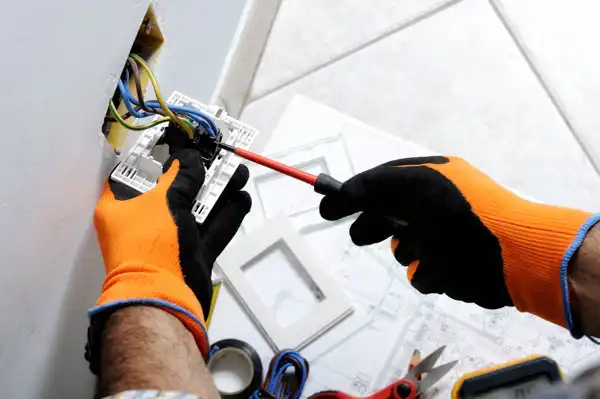
- One slow drain points first toward a localized drain issue.
- Several slow fixtures suggest the problem may be farther downstream.
- Water appearing where it should not appear deserves prompt attention.
- Repeated clogs deserve a deeper look than another temporary clearing.
- Any condition involving electrical equipment, pumps, or mechanical rooms calls for caution.
That is one of the few lists worth making, because it keeps homeowners and building managers from treating every gurgle like an apocalypse or, worse, treating every warning sign like background music.
The mechanical room does not care about your categories
Contractors may market themselves as a Plumber, Air conditioning contractor, Electrician, Heating contractor, Furnace repair service, or Air conditioning repair service. Those labels help customers find the right help. The building itself remains deeply unimpressed by branding.
A furnace may sit near plumbing drains. An air conditioner or heat pump may produce condensate that must be routed properly. A water heater needs plumbing connections and may require Water heater repair or Water heater installation. Heating equipment may involve gas work, which brings a Gas installation service into the frame. Air-conditioning maintenance and an Air conditioning tune-up may involve inspection of associated drainage and electrical components. Electrical work is recognized separately from plumbing, heating, and air-conditioning, but in the actual room, wires and pipes are often close neighbors.
That does not mean one technician should do every kind of work. Quite the opposite. It means a responsible contractor knows the boundaries. If a job requires electrical expertise, an Electrician belongs in the conversation. If it concerns lighting systems, a Lighting contractor may be the proper professional. If it involves heating and cooling equipment, an HVAC professional with the appropriate skills should handle that portion. If the problem is a leaking pipe, clogged drain, sewer hookup, or water heater connection, plumbing expertise matters.
The sharp contractors are not the ones who claim to do everything while holding one wrench and a heroic expression. They are the ones who coordinate the work so the customer does not become the unpaid project manager of a mechanical circus.
Air conditioning, heating, and wastewater: the quiet connections
At first glance, Air conditioning repair and Septic system service seem to have about as much in common as a thermostat and a shovel. But they meet in the practical world of building service. HVAC contractor work includes installation, maintenance, repairs, duct cleaning, and related plumbing or electrical work tied to heating and cooling equipment. Air conditioners and heat pumps also fall under the broad category of appliances in refrigerant-handling rules, and technicians involved in maintenance, service, repair, and installation may include contractor employees and installers.
That is why quality HVAC work is not just about getting cold air from a vent. Proper installation includes correct sizing and refrigerant charging. Proper charging can reduce energy use and lower failure risk. Those details require training, measurement, and patience. The same professional discipline applies to sewer and septic work. The systems are different, but the mindset is the same: verify, do not assume; size and connect properly; understand that shortcuts usually send invoices later.
Air conditioning maintenance and an Air conditioning tune-up are good examples of preventive thinking. Nobody schedules maintenance because they enjoy spending a morning talking about coils and refrigerant. They do it because a system that gets inspected and adjusted is less likely to embarrass itself during peak demand. Wastewater systems deserve similar respect. Drain cleaning at the right time, addressing leaks promptly, and evaluating recurring drain problems can prevent larger trouble.
There is comedy in the fact that people will maintain a luxury coffee machine more faithfully than the equipment that keeps a basement dry and habitable. But comedy is just tragedy with better timing and fewer invoices.
Water heaters, drains, and the domino effect
Water heater repair and Water heater installation often bring plumbers into the same spaces where sewer and septic symptoms first appear. A water heater sits quietly until it does not. When it fails, the owner notices quickly. Hot water has a way of turning civilized people into philosophers of suffering.
Water heaters connect to the building’s plumbing system, so their repair or replacement can reveal broader pipe conditions. Plumbing leak repair may be needed at connections. Old or problematic piping can raise the question of Plumbing repiping. Water softener installation may also be part of the broader plumbing setup in some properties. None of these automatically creates a sewer or septic issue, but they share piping routes, access points, and mechanical spaces.
That is where good sequencing matters. If a plumber is already opening walls, moving piping, or replacing equipment, it may be sensible to evaluate nearby drain lines or access. Sensible does not mean upselling every visit into a home renovation documentary. It means paying attention. The cheapest time to notice a questionable pipe is before the wall is closed and painted.
A similar domino effect can occur during heating and cooling work. Heat pump installation, furnace repair, air-conditioning repair, and air-conditioning maintenance may involve equipment located near plumbing drains or sump pump systems. Condensate drainage may be part of the HVAC system’s proper operation. Electrical service may be involved. A small oversight in one area can create nuisance problems in another. Mechanical systems are famous for sending passive-aggressive messages through puddles.
Drain cleaning, rooter service, and hydrojetting without the fairy dust
Drain cleaning is one of those phrases that covers a wide range of situations. Sometimes a line is blocked close to a fixture. Sometimes the issue sits farther away. Rooter service may clear obstructions mechanically. Hydrojetting may scour the inside of a drain line with high-pressure water. Used appropriately, both can be effective parts of sewer and drain work.
The judgment call lies in choosing the service that fits the condition. Hydrojetting can be a strong option in suitable situations, but not every line is a candidate for every method. Rooter service may be enough for certain blockages. Repeated service calls may suggest a need for further evaluation rather than another heroic round of “let’s see what happens.” A good contractor explains the difference without turning the conversation into a lecture delivered from atop a coil of cable.
Customers usually want one of two things: reassurance or the truth. The better contractor gives the truth in a reassuring manner. If the problem appears isolated, say so. If the symptoms suggest something broader, say that too. If access is limited, explain what can and cannot be known. Nobody likes uncertainty, but everyone dislikes confident nonsense more, especially when it comes with a bill.
Sewer hookup projects and coordination with other trades
Because electrical work is separately classified from plumbing, heating, and air-conditioning, it deserves its own respect. That is not bureaucratic trivia. It reflects the reality that electrical work requires specific competence, especially when equipment, pumps, lighting, controls, and mechanical systems share the space.
A sewer hookup or septic-related project may not require an Electrician every time. But when pumps, panels, lighting, HVAC equipment, or other electrical components are affected, electrical expertise should not be improvised. The same goes for gas work. Heating equipment and gas installation work belong to professionals who understand those systems. Furnace repair service, Gas installation service, and Heating contractor work should be handled with the seriousness those systems demand.
The cleanest projects often happen when the contractor identifies the necessary trades early. That prevents the classic jobsite tango where one professional finishes, another arrives, and then someone says, “Who put that there?” Those four words have launched many expensive afternoons.
A practical coordination conversation may include these questions:
- Which plumbing lines or fixtures are affected by the work?
- Is any heating, cooling, pump, or water heater equipment in the work area?
- Will electrical service, controls, or lighting need attention?
- Is access adequate for repair, replacement, or future maintenance?
- Are there recurring symptoms that suggest a larger system issue?
Again, the goal is not to make the project sound bigger. The goal is to prevent it from becoming bigger because nobody asked basic questions.
Why proper installation thinking matters beyond HVAC
The energy side of HVAC offers a useful lesson for plumbing and sewer work. Proper HVAC installation includes correct equipment sizing and refrigerant charging. Proper refrigerant charge in an air conditioner or heat pump can reduce energy consumption and lower the risk of failure. Those are measurable installation details, not decorative preferences.
Sewer hookups and septic system service have their own version of that discipline. The exact technical requirements depend on the job, property, and applicable rules, but the professional habit remains the same. The work should be planned, connected, inspected as appropriate, and coordinated with surrounding systems. It should not depend on luck, wishful thinking, or the belief that water will “figure it out.” Water does figure things out, but it is not always on your side.
This is also where maintenance earns its keep. Air conditioning maintenance helps identify wear, performance issues, and service needs before peak failure. Drain maintenance and prompt Plumbing leak repair can do the same for plumbing systems. The difference is that HVAC problems usually announce themselves through discomfort. Sewer and septic issues prefer drama.
The homeowner’s role: observe, report, then step back
A property owner does not need to diagnose a septic or sewer problem. In fact, it is often better when they do not arrive armed with twelve internet theories and the confidence of a late-night detective. What helps is accurate observation.
Which fixtures are slow? When did it start? Has it happened before? Was there recent plumbing, heating, cooling, electrical, or water heater work? Has an Air conditioning repair service, Furnace repair service, or Plumber been there lately for related mechanical work? Is the sump pump operating as expected? Are there odors, wet areas, unusual sounds, or visible leaks?
These details help a contractor sort possibilities faster. They also reduce the chance of treating the loudest symptom while missing the quieter cause. A customer who says, “The downstairs shower backs up only when the washing machine drains,” has provided a much better starting point than one who says, “The house is haunted by water.” Though, to be fair, some basements do have a strong gothic personality.
Once the professional is on site, the owner’s best move is to ask clear questions and let the contractor inspect. The right contractor should be able to explain findings in normal language. Not baby talk. Not trade jargon dumped from a bucket. Just plain speech: what appears to be wrong, what can be verified, what the options are, what the limitations are, and what happens if the work is delayed.
Commercial and institutional buildings raise the stakes
Residential properties get most of the attention because people like reading about homes, but HVACR contractors also serve commercial, industrial, institutional, and governmental systems. Larger buildings multiply the importance of coordination. More fixtures, more equipment, more users, more complex mechanical spaces, and more consequences when something fails.
A clogged drain in a small home is annoying. A drainage problem in a commercial building can disrupt business. A heating failure in a residential hallway is unpleasant. A heating or cooling problem in an institutional building can affect many occupants. Sewer hookup and septic-related work in larger contexts must be approached with the same professional care as other mechanical systems: understand the scope, coordinate trades, protect equipment, and avoid casual assumptions.
The same categories still apply. Plumbing repair, heating equipment installation, air-conditioning work, sewer hookups, sump pump service, and water pump installation all belong to the recognized range of plumbing, heating, and air-conditioning trade work. Electrical work remains its own discipline. HVAC contractors design, install, maintain, and service heating, ventilation, air-conditioning, and refrigeration systems in a range of building types. The scale changes, but the principle does not: systems must work together because occupants do not care which trade category failed. They care that the restroom, heat, cooling, hot water, or pump system stopped behaving.
The difference between a repair and a relationship
One-off repairs happen. A drain clogs, a technician clears it, everyone moves on. A water heater fails, a new one is installed, civilization resumes. An air conditioner needs service, the Air conditioning repair is completed, and the thermostat stops being a source of household debate.
But the better model, especially for properties with multiple mechanical systems, is a service relationship built on memory. A contractor who knows the building’s history can spot patterns. Recurring Drain cleaning calls may mean more than bad luck. Repeated Plumbing leak repair in the same area may indicate aging piping. Frequent Air conditioning repair may point toward installation, maintenance, sizing, or charging concerns. Furnace repair service history may help shape future heating decisions. Water heater repair records may inform replacement planning.
This does not require melodrama or a three-ring binder thick enough to stun a mule. It requires keeping track of what was done, when it was done, and what the technician observed. Good service records turn “something is wrong again” into “this looks related to what we saw last year.” That is a much better sentence.
Choosing a contractor without falling for shiny promises
The right contractor for septic system service and sewer hookup topics is not always the one with the flashiest truck or the most dramatic advertisement. Look for clear competence in the work at hand and honest recognition of related trades. If the project touches plumbing, drains, sewer connection, sump pump service, or water heater work, plumbing skill is central. If the work area involves heating or cooling equipment, a Heating contractor or Air conditioning contractor may need to coordinate. If wiring is involved, bring in an Electrician. If gas work is involved, use a proper Gas installation service. If lighting or electrical access is part of the project, a Lighting contractor may have a role.
A contractor does not need to turn every appointment into a symposium. They do need to understand that modern mechanical service is interconnected. HVAC work can involve plumbing and electrical tasks associated with heating and cooling equipment. Air-conditioning service and repair are recognized service categories. Plumbing, heating, and air-conditioning work includes a broad range of services, including furnace repair, plumbing repair, sewer hookups, sump pump service, and water pump installation.
The customer should hear practical explanations, not mystical declarations. “We need to inspect the line before recommending the next step” is a healthy sentence. “This always fixes it” is not, unless the problem is truly that simple. Buildings enjoy humbling absolutes.
The plain truth beneath the pipes
Septic system service and sewer hookup work will never be glamorous, and frankly, that is part of their charm. They are the backstage crew of comfortable living. When they perform well, everyone ignores them. When they fail, the entire production stops.
The smartest approach is neither panic nor neglect. Treat wastewater systems as part of the building’s broader mechanical life. Pay attention to slow drains, leaks, pump issues, and recurring problems. Respect the boundaries between plumbing, HVAC, electrical, gas, and related trades. Use Drain cleaning, Rooter service, Hydrojetting, Plumbing leak repair, Water heater repair, Water heater installation, Plumbing repiping, Water softener installation, Air conditioning maintenance, Air conditioning tune-up, Heat pump installation, and Furnace repair service where they genuinely fit, not as buzzwords tossed into a van.
A building is a collection of systems pretending to be simple. Pipes carry water. Drains carry waste. HVAC equipment heats, cools, and ventilates. Electrical systems power the whole arrangement. Gas lines serve equipment where applicable. Sewer hookups and septic service keep the least glamorous flow moving in the right direction. When qualified professionals coordinate those pieces with care, the property feels ordinary again.
And ordinary, in the mechanical trades, is often the highest compliment.
Name: Service Lion Plumbing Heating Air Electric
Address: 521 W Briardale Ave, Orange, CA 92865, United States
Phone: (657) 567-7305
Website: https://callservicelion.com/
Email: [email protected]
Hours:
Monday: Open 24 hours
Tuesday: Open 24 hours
Wednesday: Open 24 hours
Thursday: Open 24 hours
Friday: Open 24 hours
Saturday: Open 24 hours
Sunday: Open 24 hours
Open-location code: R48R+WV Orange, California, USA
Map/listing URL:
https://www.google.com/maps/search/?api=1&query=Google&query_place_id=ChIJQU4LBWHV3IARtnABtyykSA4
Google Map:
Socials:
https://www.facebook.com/ServiceLionCA/
https://www.youtube.com/channel/UCR_L35QzsRTxYZtX8PxJvPw
Local Service Information
Service Lion Plumbing Heating Air Electric provides plumbing, drain, heating, air conditioning, and electrical services from its Orange, California location.The company serves homeowners and properties throughout Orange and communities across Orange County and surrounding areas.
Available services include plumbing repairs, water heater work, drain and sewer services, heating and cooling service, electrical repairs, panels, lighting, outlets, and related home-system work.
Service is available for residential properties as well as light commercial needs described within the company's local service-area information.
The company's website emphasizes locally operated service, coordinated home-system support, and practical scheduling for plumbing, HVAC, and electrical needs.
The matching public business listing shows the Orange location as open 24 hours a day, seven days a week.
For service information or scheduling, call (657) 567-7305 or visit https://callservicelion.com/.
The public map listing identifies the business at 521 W Briardale Ave, Orange, CA 92865 and can be used for location and direction information.
Popular Questions About Service Lion Plumbing Heating Air Electric
What services does Service Lion Plumbing Heating Air Electric provide?
The company provides plumbing, drain and sewer, heating, air conditioning, and electrical services. Its published services include plumbing repair, water heaters, drain clearing, sewer work, HVAC repair and installation, electrical repairs, panels, circuit breakers, lighting, outlets, and related services.
Where is Service Lion Plumbing Heating Air Electric located?
The matching business location is 521 W Briardale Ave, Orange, CA 92865, United States.
What areas does Service Lion Plumbing Heating Air Electric serve?
The company serves Orange County and surrounding communities. Its published service-area information includes Orange, Anaheim, Brea, Yorba Linda, Fullerton, Huntington Beach, Newport Beach, Costa Mesa, Irvine, Lake Forest, and additional nearby cities.
Is Service Lion Plumbing Heating Air Electric open 24 hours?
The matching public business listing shows the location as open 24 hours on Monday through Sunday.
Does Service Lion Plumbing Heating Air Electric work on drains and sewer lines?
Yes. Published services include drain clearing, rooter service, camera inspection, hydro jetting, sewer line repair and installation, water line work, slab leak detection, and trenchless sewer line repair.
Does Service Lion Plumbing Heating Air Electric provide heating and air conditioning service?
Yes. Its published HVAC services include air conditioning repair and installation, heating service, furnace work, heat pumps, air ducts, indoor air quality assessments, and thermostat installation.
Does Service Lion Plumbing Heating Air Electric provide electrical service?
Yes. Published electrical services include repairs and installations, electrical panels, circuit breakers, safety inspections, lighting, outlets and switches, surge protection, generators, and EV charging equipment installation.
How can I contact Service Lion Plumbing Heating Air Electric?
Call (657) 567-7305.
Email: [email protected]
Website: https://callservicelion.com/
Facebook: https://www.facebook.com/ServiceLionCA/
Landmarks Near Orange, California
Old Towne Orange Historic District
A central historic district and useful geographic reference point for the Orange community.
Plaza Park
A well-known public gathering point in the center of Old Towne Orange.
Orange Public Library & History Center
A civic landmark serving residents near central Orange.
Hart Park
A major public park and recreation area south of central Orange.
Eisenhower Park
A public park serving neighborhoods in northern Orange.
Santiago Oaks Regional Park
A regional recreation and open-space landmark on the eastern side of Orange.
Irvine Regional Park
A large regional park and recognizable reference point east of the city.
Orange Park Acres
A distinctive residential community and service-area reference point in eastern Orange.
El Modena
An established Orange neighborhood that provides a practical local coverage reference.
Glassell Street
One of the city's principal north-south streets and a useful route through central Orange.
Lincoln Avenue
A major east-west roadway serving northern Orange and nearby communities.
State Route 55
A primary regional freeway connecting Orange with other parts of Orange County.