Plumbing Repiping for Aging Pipe Systems
Pipes age with all the dignity of a banana in a glove compartment. One day they are quietly doing their job, carrying water where it belongs. The next, they are staining ceilings, muttering inside walls, and turning a pleasant Saturday into a towel-based emergency response drill.
Plumbing repiping is the unglamorous but deeply satisfying answer to an aging pipe system that has crossed the line from “quirky old house charm” into “why is the hallway making that sound?” It is not a patch. It is not another heroic dab of sealant under the sink. It is the planned replacement of old, unreliable water piping with a new system designed to serve the building safely and consistently.
A good Plumber knows repiping is part technical work, part detective work, and part household diplomacy. The technical side involves pipe routing, fixture connections, shutoffs, pressure considerations, access points, code requirements, and coordination with other trades. The detective side involves figuring out why one bathroom has weak flow, why the laundry wall smells damp, and why the water heater seems to be working harder than a coffee shop barista on Monday morning. The diplomacy comes when everyone realizes the shower may be unavailable for a bit and someone in the house has very strong opinions about morning routines.
When old pipes stop being “vintage”
There is a difference between an older plumbing system and a failing plumbing system. Older pipes can sometimes keep doing their work quietly for years, especially if they were installed well and maintained properly. Failing pipes announce themselves. They may do it subtly at first, with a slow leak near a fitting or a little discoloration around a ceiling register. Later, they become less subtle, in the way a marching band is less subtle than a doorbell.
The common pattern is not one dramatic failure but a series of small betrayals. A leak under the kitchen sink. A pinhole at a laundry connection. A guest bath that loses pressure when someone starts the washer. A water heater repair that reveals the nearby piping has seen better decades. Then another Plumbing leak repair call a few months later. Then another. At some point, the math gets rude. The cost, disruption, and stress of repeated spot repairs begin to compete with the cost of doing the work once, properly.
Repiping becomes worth discussing when the system is no longer reliable as a system. That phrase matters. A single failed valve does not mean every pipe in the building is doomed. But when leaks appear in multiple areas, when water flow drops throughout the home, or when repairs uncover widespread deterioration, the conversation changes. You are no longer dealing with one bad apple. You are dealing with the barrel, the orchard, and possibly the fellow who sold you the ladder.
What repiping actually means
Plumbing repiping usually refers to replacing the building’s domestic water distribution piping. That means the hot and cold water lines that feed fixtures such as sinks, tubs, showers, toilets, laundry equipment, and water heaters. It may include replacing shutoff valves, supply lines, fixture connections, and related components that are too worn or mismatched to keep.
Repiping is not the same as Drain cleaning, Rooter service, or Hydrojetting. Those services address drainage and sewer flow, not pressurized water supply lines. They are important, especially when a building has slow drains, recurring clogs, or sewer line problems, but they solve a different category of problem. A house can need drain work and repiping, just as a person can need both new shoes and a haircut. The two conditions may coexist, but one does not automatically fix the other.
Repiping is also not the same as Water heater installation, though the two often meet in the same mechanical room. If a water heater is replaced and the nearby water lines are corroded, undersized, poorly supported, or patched together from several plumbing eras, it makes sense to look at the surrounding piping. A new water heater connected to tired pipes is like putting fresh tires on a car with a steering wheel made of cheese. Technically possible, not ideal.
The symptoms that deserve attention
Most aging pipe systems give warnings before they become theatrical. The trick is not dismissing those warnings as personality. Houses do have personalities, but pipes should not have moods.
Watch for repeated leaks in different locations, unexplained damp spots, stained drywall, reduced water flow at multiple fixtures, banging or rattling pipes, and hot water that behaves inconsistently without an obvious water heater issue. If the same area needs repair again and again, a targeted fix may be enough. If the trouble moves around the building like it has a bus pass, repiping deserves a serious look.
Here is the short version of when to call for a professional evaluation:
- Multiple leaks have occurred in separate parts of the building.
- Water pressure or flow has declined at more than one fixture.
- Walls, ceilings, cabinets, or flooring show recurring moisture damage.
- Repairs expose brittle, corroded, poorly joined, or outdated piping.
- You are planning major remodeling and the walls will already be open.
That last point is not glamorous, but it is practical. If a kitchen, bath, laundry room, or mechanical area is already being remodeled, it is often smarter to address old piping while access is available. Opening finished walls twice is nobody’s hobby, except perhaps drywall contractors, and even they would rather be fishing.
The trouble with chasing leaks one by one
Spot repairs have their place. A good Plumber does not recommend repiping every time a fitting drips. Sometimes the correct answer is a clean, well-executed repair. Replace the bad section, restore service, test the work, and let everyone get back to arguing about the thermostat.
The trouble begins when spot repairs become a lifestyle. Every repair requires time, access, water shutoff, cleanup, and sometimes wall or cabinet work. If the pipe system is broadly aging, each fixed section can simply move stress to the next weak area. You patch one leak, then another opens behind the guest bath vanity. You fix that, then the laundry line decides to audition for a fountain show.
This is where judgment matters. Repiping is a larger project, and nobody should be bullied into it by scare tactics. But ignoring the pattern can be expensive. Water damage often costs more than the plumbing repair that would have prevented it. Flooring, trim, drywall, paint, insulation, cabinetry, and personal belongings all have a way of joining the invoice when water goes exploring.
A seasoned plumber looks beyond the leak itself. Where is it located? What does the surrounding pipe look like? Are there signs of previous repairs? Is the material consistent throughout the home, or has the system been altered repeatedly? Does the water heater area show corrosion or stress? Are shutoff valves functional, or are they decorative knobs with trust issues? These observations help separate a one-time repair from a system-wide problem.
Repiping and the rest of the mechanical world
Plumbing rarely lives alone. In many homes and buildings, water piping shares space with heating, ventilation, air conditioning, electrical wiring, gas lines, drains, ducts, framing, insulation, and sometimes one mystery cable that nobody will admit installing.
That is why repiping often benefits from a contractor who understands how mechanical systems overlap. The broader trade category of plumbing, heating, and air-conditioning work commonly includes plumbing repair, heating equipment work, furnace repair, air-conditioning work, sewer hookups, sump pump service, and water pump installation. HVAC contractors specialize in installing and maintaining heating, ventilation, and air-conditioning equipment, and their work can involve related plumbing and electrical tasks around heating and cooling systems.
In plain English, the wall cavity does not care which trade owns which label. If piping runs near air conditioning equipment, a furnace, a heat pump, a water heater, lighting circuits, or gas piping, planning matters. A Heating contractor may need access to the same utility area. An Electrician may need to verify clearances or protect wiring near work zones. A Gas installation service may be involved when equipment changes affect gas-fired appliances. A Lighting contractor might not be part of the repipe itself, but open ceilings can reveal electrical routing that should not be treated like a jungle vine.
Air conditioning systems deserve a special mention because they often share mechanical spaces with plumbing. An Air conditioning contractor or Air conditioning repair service may be working near condensate drains, equipment connections, or utility room piping. Air conditioning maintenance and an Air conditioning tune-up focus on keeping cooling equipment operating correctly, but if a repipe is happening nearby, coordination prevents awkward surprises. No one wants to finish a clean pipe installation only to discover the access panel for air conditioning repair is now blocked by a line routed with all the grace of spaghetti tossed at a wall.
Heat pump installation can create similar coordination needs. Proper HVAC installation involves correct equipment sizing and correct refrigerant charging for air conditioners and heat pumps, and that work belongs with trained HVAC professionals. Repiping does not replace that expertise. It simply needs to respect it. Good contractors do not treat the mechanical room like a storage closet with ambitions.
What happens during a repiping project
A repiping project starts with assessment. That means looking at the existing system, identifying fixture locations, checking access, understanding where main lines run, and discussing what will be replaced. The goal is not merely to install new pipe. The goal is to create a serviceable, logical system that gives the building reliable hot and cold water.
Access drives much of the plan. Some pipes can be reached from basements, crawl spaces, utility rooms, attics, or unfinished areas. Others hide behind tile, cabinets, plaster, or drywall, because old houses enjoy practical jokes. A careful contractor will explain where openings are likely and how they will be handled. There may be a difference between plumbing work and final wall repair, so it is important to clarify who restores drywall, paint, tile, or cabinetry.
Water shutoff planning matters too. Repiping requires interrupting water service, though an experienced crew tries to minimize downtime. In many residential projects, water may be restored in phases, but the exact schedule depends on the layout, scope, access, and inspection requirements. Commercial or multi-unit buildings require more coordination, since one shutoff can affect many people. Nothing builds neighborly affection quite like an unannounced cold shower.
The actual installation includes routing new lines, securing them properly, connecting fixtures, installing valves where needed, tying into the water heater, testing the system, and confirming that fixtures operate as expected. Pressure testing and inspection requirements vary by location and project type, so the process should follow applicable codes and local requirements. The work should leave future service in mind. Valves should be reachable. Lines should be supported. Connections should not look like a plumbing supply aisle had a small explosion.
Choosing materials without turning it into a dinner argument
Pipe material choices depend on local code, water conditions, building type, budget, installer expertise, and the design of the system. There is no universally perfect material for every project. Anyone who says otherwise may also own a shirt that reads “I have never met nuance.”
A responsible plumber explains the options allowed in your area, discusses the pros and constraints, and recommends a system based on the building rather than habit. Some materials may cost more upfront but suit a particular installation better. Others may install faster or work well in certain routing conditions. Water quality, temperature, pressure, compatibility with existing components, and future maintenance all matter.
Water softener installation may come up during this conversation if water quality is contributing to scale or fixture issues, but it should not be treated as a magic wand. A softener can be useful in the right situation, but it does not reverse damaged piping. If the existing system is already failing, conditioning the water may help protect new components, not resurrect the old ones like a plumbing-themed fairy tale.
The best material discussion is practical. What does the building need? What is permitted? What can be installed cleanly? What is serviceable? What is the expected disruption? What fits the budget without creating a false economy? The cheapest option is not cheap if it makes future repairs harder or creates performance issues. The most expensive option is not automatically noble either. It Click for source is plumbing, not a coronation.
Repiping around water heaters
The water heater is often the social center of the plumbing system, though it rarely gets invited to parties. Hot water lines begin there, cold water feeds it, and household comfort depends heavily on it. During repiping, the water heater connections deserve close attention.
If the water heater is older or already unreliable, the repiping conversation may overlap with Water heater repair or Water heater installation. That does not mean every repipe requires a new water heater. It means the contractor should evaluate whether the existing unit, connections, valves, and surrounding piping make sense as part of the finished system.
A common mistake is treating the water heater as separate from the rest of the system. In practice, poor piping near the heater can affect serviceability, flow, and future repairs. Shutoff valves should work. Connections should be accessible. The installation should allow maintenance without requiring a small excavation of pipes every time service is needed.
Where HVAC equipment shares the space, coordination becomes even more important. Furnace repair service, heating equipment work, air conditioning maintenance, and heat pump installation may all require access around the mechanical area. A clean repipe should make that area more orderly, not Plumber turn it into a mechanical escape room.
The hidden value of good shutoff valves
Shutoff valves are humble little things until water is spraying somewhere it should not. Then they become the most important objects in the universe.
A repiping project is an opportunity to improve control over the system. Main shutoffs, branch shutoffs, fixture stops, and water heater valves should be easy to locate and operate. This is especially important in larger homes, older buildings, and properties with finished basements or multiple bathrooms. If a future faucet, toilet, or appliance line needs service, good valves can limit disruption.
The practical benefit is simple. Instead of shutting water off to the entire building for a minor repair, a plumber may be able to isolate the affected area. That saves time and lowers stress. It also reduces the number of people standing around asking, “Is the water back on yet?” which is a public service.
Bad valves, frozen valves, hidden valves, and mystery valves should be addressed during repiping. Leaving them in place because they technically exist is like keeping a dead flashlight in an emergency kit because it has sentimental value.
What repiping does not fix
Repiping solves problems with water supply piping, but it is not a universal cure for every plumbing complaint. This distinction saves money and prevents disappointment.
If drains are slow, gurgling, backing up, or clogging repeatedly, the issue may belong to the drainage system. Drain cleaning, Rooter service, or Hydrojetting may be appropriate depending on the situation. If the property has septic components, a Septic system service may need to evaluate the system. Repiping the water supply will not clear a sewer obstruction. New hot and cold lines do not convince tree roots to move out of a drain line and pursue other interests.
If hot water runs out quickly, the water heater may be undersized, failing, incorrectly set, or affected by usage patterns. Repiping may improve delivery in some cases, but it does not create endless hot water from a tired tank. Water heater repair or replacement may be the real fix.
If rooms are uncomfortable, the issue may involve heating or cooling equipment, ductwork, controls, or installation quality. An Air conditioning contractor, Heating contractor, or qualified HVAC professional should evaluate the system. Proper HVAC installation includes correct equipment sizing and correct refrigerant charging for air conditioners and heat pumps, which can affect energy use and reliability. Repiping is not a substitute for an Air conditioning tune-up, Air conditioning repair, or furnace service.
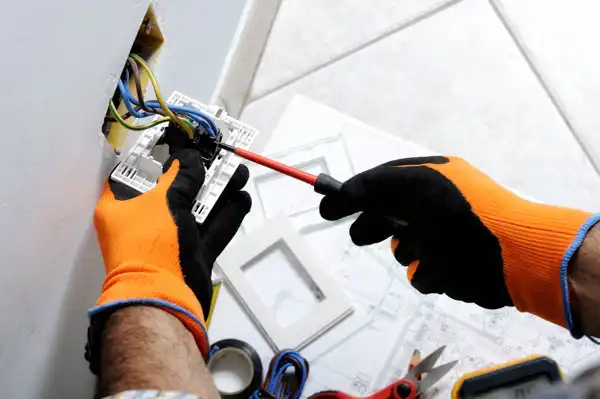
If lights flicker, breakers trip, or outlets behave strangely, call an Electrician. Plumbing tools are wonderful, but they should not be used to diagnose electrical trouble unless the goal is to create a story no one wants to tell the insurance company.
Living through the project without losing your manners
Repiping is manageable, but it is still invasive. Walls may be opened. Water may be off for periods of time. Crews may need access to bathrooms, kitchens, laundry rooms, utility spaces, crawl spaces, or attics. Pets may judge everyone involved. This is normal.
The best projects start with clear expectations. Ask when water will be shut off, how long work areas need to remain accessible, what furniture or belongings should be moved, and whether someone must be home. Ask who handles permits and inspections where required. Ask what restoration is included after plumbing work is complete. A good contractor would rather answer these questions early than explain later why the linen closet looks like it was visited by a raccoon with a reciprocating saw.
A little preparation helps:
- Clear access to sinks, tubs, showers, laundry areas, water heaters, and mechanical spaces.
- Move fragile items away from walls where work may occur.
- Plan showers, laundry, and cooking around scheduled water shutoffs.
- Keep pets secure and away from open walls, tools, and work zones.
- Confirm which areas will be cleaned, patched, or restored after plumbing is complete.
That is the second and final list, because lists multiply when left unattended.
The cost question, answered honestly
Repiping cost depends on scope, building size, number of fixtures, access, material choices, local labor rates, permit requirements, wall restoration, and whether related work is included. A small single-bath home with easy access is not the same project as a large multi-story house with finished walls, multiple bathrooms, a basement apartment, and a mechanical room arranged like a puzzle box.
Beware of estimates that are too vague. “Repiping the house” can mean different things to different contractors. Does it include hot and cold lines to every fixture? New shutoff valves? Connections to the water heater? Removal or abandonment of old lines where appropriate? Permit handling? Testing? Drywall repair? Fixture supply lines? Coordination with water heater installation or other mechanical work? The answer should not require telepathy.
Also beware of the lowest bid if it avoids access details or leaves large portions of the system untouched without explaining why. Partial repiping can be perfectly reasonable, especially when the problem is isolated to one area or one branch. But a partial job sold as a complete solution is a future headache wearing a discount hat.
A strong estimate describes the work clearly enough that you understand what will happen, what will not happen, and what could change once walls are opened. No contractor has X-ray vision, despite what some marketing departments suggest. Hidden conditions can affect scope. The difference between professionalism and chaos is how those discoveries are communicated and priced.
Permits, codes, and inspections
Plumbing systems must meet applicable local requirements. Permits and inspections exist because water piping affects health, safety, property protection, and future service. The specific rules vary by location, but the principle does not. Repiping should be performed by qualified professionals who understand the standards in the area where the work is done.
This matters even more when plumbing work touches other systems. Electrical work is a separate trade classification, and it should be handled by properly qualified electrical professionals. HVAC work, including air conditioning repair service, air conditioning maintenance, heating repair, furnace work, and heat pump installation, requires the right training and procedures. Refrigeration-related service on air conditioners and similar equipment involves specific technician responsibilities. Gas work should be handled by a qualified Gas installation service or properly licensed professional where required.
The homeowner version is simple: do not let one trade fake another trade’s work. A plumber should not casually relocate wiring. An electrician should not improvise water piping. An HVAC technician should not be asked to bless a questionable repipe because they happened to be standing nearby with a tool bag. Competent coordination is not bureaucracy. It is how buildings avoid becoming cautionary tales.
Why good design beats heroic repair
Aging pipe systems often reveal years of improvisation. One repair from 1998. Another from 2007. A remodel connection from who knows when. A valve installed behind a panel that can only be reached by someone with elbows made of string. Each decision may have solved a problem at the time, but the whole system can become awkward, inefficient, and hard to service.
Repiping gives the building a chance to become sensible again. Routes can be cleaned up. Valves can be placed where humans can reach them. Connections can be made consistent. Mechanical spaces can become easier to maintain. Future Plumbing leak repair can be less dramatic because the system is laid out with service in mind.
That design mindset is what separates professional work from pipe replacement as a blunt instrument. The question is not only, “Can we get water to the fixtures?” Of course we can. People have been moving water around since before indoor plumbing became the civilized miracle it is. The better question is, “Can we install this in a way that is reliable, accessible, code-compliant, coordinated with other systems, and not cursed by everyone who services it later?”
A thoughtful repipe respects the building. It also respects the people who live or work there. Nobody wants to think about pipes every day. The whole point of plumbing is to be beautifully boring. Turn the handle, get water. Flush, walk away. Start the washer, remain emotionally stable. That is the dream.
The moment to stop postponing
Repiping rarely feels urgent until it suddenly is. Most property owners would rather spend money on visible improvements. New counters, better lighting, fresh flooring, efficient air conditioning, maybe a heat pump installation if the HVAC system is due for an upgrade. Pipes hide in walls, which makes them easy to ignore. Unfortunately, hidden systems have a nasty habit of becoming visible only when wet.
If you are already calling for repeated plumbing leak repair, if old lines keep failing in new places, or if a remodel is about to expose walls and ceilings, it is time to talk seriously with a qualified plumber. Not necessarily to commit on the spot, not to panic, and definitely not to let anyone frighten you with theatrical moisture-meter waving. The goal is to get a clear assessment and a practical plan.
Plumbing repiping is not glamorous. It will not impress dinner guests unless your dinner guests are unusually interested in shutoff valves. But it can make an aging building more reliable, protect finishes from water damage, improve serviceability, and reduce the endless cycle of patch-and-pray repairs.
Old pipes had their run. Some served faithfully for decades. Raise a respectful glass of clean water to them, then let them retire before they turn your ceiling into a decorative waterfall.
Name: Service Lion Plumbing Heating Air Electric
Address: 521 W Briardale Ave, Orange, CA 92865, United States
Phone: (657) 567-7305
Website: https://callservicelion.com/
Email: [email protected]
Hours:
Monday: Open 24 hours
Tuesday: Open 24 hours
Wednesday: Open 24 hours
Thursday: Open 24 hours
Friday: Open 24 hours
Saturday: Open 24 hours
Sunday: Open 24 hours
Open-location code: R48R+WV Orange, California, USA
Map/listing URL:
https://www.google.com/maps/search/?api=1&query=Google&query_place_id=ChIJQU4LBWHV3IARtnABtyykSA4
Google Map:
Socials:
https://www.facebook.com/ServiceLionCA/
https://www.youtube.com/channel/UCR_L35QzsRTxYZtX8PxJvPw
Local Service Information
Service Lion Plumbing Heating Air Electric provides plumbing, drain, heating, air conditioning, and electrical services from its Orange, California location.The company serves homeowners and properties throughout Orange and communities across Orange County and surrounding areas.
Available services include plumbing repairs, water heater work, drain and sewer services, heating and cooling service, electrical repairs, panels, lighting, outlets, and related home-system work.
Service is available for residential properties as well as light commercial needs described within the company's local service-area information.
The company's website emphasizes locally operated service, coordinated home-system support, and practical scheduling for plumbing, HVAC, and electrical needs.
The matching public business listing shows the Orange location as open 24 hours a day, seven days a week.
For service information or scheduling, call (657) 567-7305 or visit https://callservicelion.com/.
The public map listing identifies the business at 521 W Briardale Ave, Orange, CA 92865 and can be used for location and direction information.
Popular Questions About Service Lion Plumbing Heating Air Electric
What services does Service Lion Plumbing Heating Air Electric provide?
The company provides plumbing, drain and sewer, heating, air conditioning, and electrical services. Its published services include plumbing repair, water heaters, drain clearing, sewer work, HVAC repair and installation, electrical repairs, panels, circuit breakers, lighting, outlets, and related services.
Where is Service Lion Plumbing Heating Air Electric located?
The matching business location is 521 W Briardale Ave, Orange, CA 92865, United States.
What areas does Service Lion Plumbing Heating Air Electric serve?
The company serves Orange County and surrounding communities. Its published service-area information includes Orange, Anaheim, Brea, Yorba Linda, Fullerton, Huntington Beach, Newport Beach, Costa Mesa, Irvine, Lake Forest, and additional nearby cities.
Is Service Lion Plumbing Heating Air Electric open 24 hours?
The matching public business listing shows the location as open 24 hours on Monday through Sunday.
Does Service Lion Plumbing Heating Air Electric work on drains and sewer lines?
Yes. Published services include drain clearing, rooter service, camera inspection, hydro jetting, sewer line repair and installation, water line work, slab leak detection, and trenchless sewer line repair.
Does Service Lion Plumbing Heating Air Electric provide heating and air conditioning service?
Yes. Its published HVAC services include air conditioning repair and installation, heating service, furnace work, heat pumps, air ducts, indoor air quality assessments, and thermostat installation.
Does Service Lion Plumbing Heating Air Electric provide electrical service?
Yes. Published electrical services include repairs and installations, electrical panels, circuit breakers, safety inspections, lighting, outlets and switches, surge protection, generators, and EV charging equipment installation.
How can I contact Service Lion Plumbing Heating Air Electric?
Call (657) 567-7305.
Email: [email protected]
Website: https://callservicelion.com/
Facebook: https://www.facebook.com/ServiceLionCA/
Landmarks Near Orange, California
Old Towne Orange Historic District
A central historic district and useful geographic reference point for the Orange community.
Plaza Park
A well-known public gathering point in the center of Old Towne Orange.
Orange Public Library & History Center
A civic landmark serving residents near central Orange.
Hart Park
A major public park and recreation area south of central Orange.
Eisenhower Park
A public park serving neighborhoods in northern Orange.
Santiago Oaks Regional Park
A regional recreation and open-space landmark on the eastern side of Orange.
Irvine Regional Park
A large regional park and recognizable reference point east of the city.
Orange Park Acres
A distinctive residential community and service-area reference point in eastern Orange.
El Modena
An established Orange neighborhood that provides a practical local coverage reference.
Glassell Street
One of the city's principal north-south streets and a useful route through central Orange.
Lincoln Avenue
A major east-west roadway serving northern Orange and nearby communities.
State Route 55
A primary regional freeway connecting Orange with other parts of Orange County.