Plumbing Leak Repair Steps After Finding Water Damage
Water damage has a special talent for appearing at the worst possible time. It waits until you are carrying groceries, hosting guests, leaving for work, or finally sitting down after a day that already had too many plot twists. Then you notice it: a brown ceiling stain shaped vaguely like Australia, a warped baseboard, a suspiciously soft patch of drywall, or flooring that squishes when flooring should very much not squish.
Finding water damage does not automatically mean your house is doomed, your wallet is toast, and you must begin a new life in a dry climate. It does mean you need to act quickly and sensibly. Plumbing leaks rarely improve with age. They are not cheese. The sooner you move from “that looks odd” to “let’s find the source,” the more likely you are to keep the repair contained instead of inviting mold, rot, electrical hazards, and the sort of repair bill that makes people stare silently at kitchen cabinets.
I have seen small supply line leaks soak a vanity cabinet for months without anyone noticing. I have also seen a pinhole leak in a copper line turn a finished basement ceiling into papier-mâché in less than an hour. The right plumbing leak repair steps depend on where the water came from, how long it has been there, what materials are wet, and whether the leak is still active. The trick is not panic. The trick is controlled urgency, preferably with towels, a flashlight, and a healthy distrust of mystery moisture.
First, decide whether the leak is active or old news with ugly paperwork
The first question is simple: is water still entering the home or building material right now? Water stains can linger long after a leak has been repaired, but fresh damage usually has tells. Paint may bubble. Drywall may feel cool or soft. Wood trim may swell. Flooring may cup at the seams. A ceiling stain may darken or grow during rain, after showers, when the dishwasher runs, or when someone flushes an upstairs toilet.
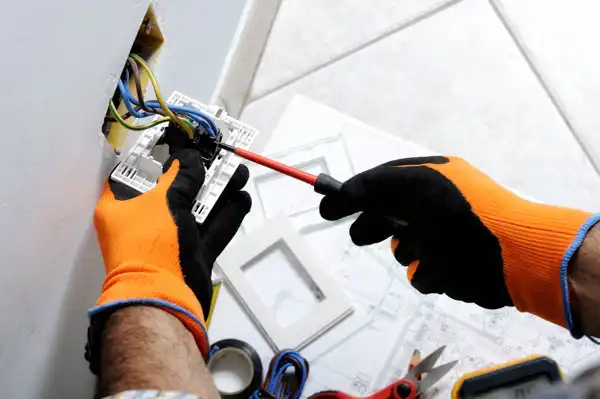
Touch carefully, not heroically. If a ceiling is sagging, do not poke it with enthusiasm unless you enjoy indoor waterfalls. If you see water near outlets, switches, light fixtures, or your electrical panel, stop and treat it as a safety issue. A licensed Electrician may need to check the area once the water is controlled, especially if fixtures or wiring were soaked. Water and electricity have a famously bad working relationship.
Try to connect the timing. Damage that appears after a shower often points toward a tub drain, shower valve, grout failure, caulk failure, or supply line behind the wall. Damage below a kitchen may relate to the sink trap, dishwasher, refrigerator water line, or ice maker connection. A wet mechanical room could involve a water heater repair issue, condensation from HVAC equipment, a leaking humidifier, or a drain line backup. Water under a slab or in multiple rooms may hint at a larger supply line problem or plumbing repiping discussion, though nobody should leap there before testing.
If the leak seems active, move to shutoffs right away. If the stain looks old and dry, still investigate. Old leaks can restart, and dry-looking materials can hide moisture inside cavities. Drywall is basically a sponge with better marketing.
Stop the water before you start playing detective
Before you chase the source, stop ongoing damage. Every home should have a main water shutoff, and every adult in the house should know where it is. This is one of those bits of knowledge that feels boring until it becomes heroic.
In many homes, the main shutoff sits near where the water service enters the building, often in a basement, crawl space, garage, utility room, or exterior box. Sinks and toilets usually have local shutoff valves under or behind them. Water heaters have cold-water inlet shutoffs above the tank. Washing machines should have valves behind the appliance. If you are not sure whether a valve works, do not wait for a 2 a.m. Leak to find out.
Here is the short version of what to do immediately when water damage appears and the leak may still be active:
- Shut off the nearest fixture valve if you can identify the fixture, or shut off the main water supply if you cannot.
- Turn off power to affected electrical areas if water is near outlets, switches, panels, or ceiling fixtures, and call an Electrician when needed.
- Move furniture, rugs, boxes, and valuables away from the wet area before they become part of the exhibit.
- Catch dripping water with buckets or pans, but avoid standing under sagging ceilings.
- Document the damage with clear photos and videos before major cleanup, especially if insurance may be involved.
That list is not glamorous, but neither is explaining to an adjuster that you forgot to photograph the ceiling before it collapsed into a laundry basket.
Once the water is shut off, open a nearby faucet to relieve pressure. If the leak slows or stops, you are likely dealing with a pressurized supply line or fixture supply issue. If water continues dripping for a while, it may be residual water draining from pipes, saturated materials releasing moisture, or a drain line leak that only acts up when a fixture runs.
Find the source, not just the wettest spot
Water has no respect for straight lines. A stain in the living room ceiling may originate from a bathroom ten feet away. Water can travel along joists, pipes, ductwork, insulation, and framing before it finally announces itself in a visible spot. The wettest area is not always the source. It is often just where gravity got bored.
Start above and nearby. If the damage is on a ceiling beneath a bathroom, run fixtures one at a time while someone watches below. Start with the sink faucet and drain, then the toilet flush, then the shower or tub. Give each test several minutes. A trap leak may show quickly. A shower pan issue may need the shower running for ten or fifteen minutes. A toilet wax ring leak might only show after flushing, and sometimes only when weight shifts the toilet slightly because the flange or floor is compromised.
Under sinks, use a dry paper towel to wipe supply valves, compression fittings, trap joints, and the cabinet floor. Paper towels are excellent leak snitches. Even a tiny bead of water shows immediately. For toilets, look around the base, the supply line, and the tank bolts. For refrigerators, pull the unit carefully and inspect the water line, especially if it is a plastic tube that has been shoved, kinked, or gnawed by the tiny demons that live behind appliances.
If you suspect a wall leak, resist the urge to tear open everything immediately. A good Plumber can use moisture meters, pressure testing, listening equipment, and inspection cameras to narrow the location. Cutting one neat access hole beats turning a bathroom wall into confetti. That said, once wet drywall is involved, some opening may be necessary for drying and repair. The goal is surgical, not theatrical.
Know the usual suspects hiding behind water damage
Most residential water damage tied to plumbing comes from a fairly predictable lineup. Supply lines fail. Drain lines loosen or crack. Fixture seals age out. Water heaters corrode or leak at connections. Washing machine hoses burst. Toilet wax rings fail. Ice maker lines weep quietly until the kitchen floor starts impersonating a potato chip.
A pressurized supply line leak tends to leak continuously until water is shut off. This can be a pinhole in copper, a failed PEX fitting, a cracked CPVC pipe, or a loose shutoff valve. These leaks often cause rapid damage because they do not wait for someone to use a fixture. If your water meter moves when all fixtures are off, that can be a clue. Some municipalities and smart meters can show continuous flow alerts, which are worth paying attention to unless you have a known reason, like irrigation.
Drain leaks are sneakier because they often appear only during use. A sink trap can drip only when the basin drains. A tub overflow can leak only when bathwater reaches that height. A shower drain may leak only when someone stands in the shower and flexes the pan. This is where homeowner testing can help, but a professional still matters because a misdiagnosed drain leak can lead to replacing the wrong parts while the real leak continues its quiet villain arc.
Water heater leaks deserve special attention. A drip at a fitting may be a straightforward water heater repair. A leak from the tank itself usually means replacement, not a pep talk. Traditional tank water heaters commonly last somewhere around 8 to 12 years, depending on water quality, maintenance, installation conditions, and luck, which is not a maintenance plan but does appear in many mechanical rooms. If you are already facing water heater installation, ask about drain pan placement, pan drain routing, expansion tank requirements, seismic strapping where applicable, and code-compliant venting for gas models.
Hard water can make everything worse over time. Mineral buildup stresses fixtures, clogs valves, reduces water heater efficiency, and can shorten appliance life. In homes with persistent scale, water softener installation may be worth discussing. It is not magic, and it must be sized and maintained properly, but in the right water conditions it can reduce nuisance repairs and keep fixtures from developing that crusty “ancient cave formation” look.
Drying is not just pointing a fan and hoping for the best
Once the leak is stopped, the second battle begins: drying. This is where many homeowners accidentally create future mold problems. Surface dryness is not the same as material dryness. A wall can feel dry while the cavity behind it remains damp. Vinyl flooring can trap water underneath. Insulation can hold moisture like a grudge.
For small, clean-water leaks caught quickly, you may be able to dry the area with air movement, dehumidification, and removal of wet porous materials. Clean water means water from a supply pipe, not a drain, toilet overflow, sewage backup, or floodwater. The category matters. Water from drain lines or septic system service issues can carry contaminants and usually requires more cautious cleanup.
If water soaked carpet pad, swollen particleboard, saturated insulation, or drywall that stayed wet for more than a short period, removal is often the sensible route. Carpet may be salvageable in some clean-water situations, but the pad underneath is often a lost cause. Baseboards may need to come off so wall cavities can dry. Cabinets made from particleboard may swell permanently. Real wood can sometimes be dried and saved, but it needs patience and measurement, not optimism wearing a tool belt.
Restoration contractors often use moisture meters, air movers, and commercial dehumidifiers. They may set drying equipment for several days and monitor moisture levels rather than guessing. That may feel excessive for a little stain, but mold does not require a mansion. It only needs moisture, organic material, and time. Building materials provide the buffet.
When drain cleaning becomes part of leak repair
Not every leak is from a broken pipe. Sometimes water damage happens because wastewater has nowhere civilized to go. A clogged drain can cause sinks, tubs, floor drains, or toilets to overflow. If the backup affects multiple fixtures, especially lower-level fixtures, the main sewer line may be restricted.
This is where drain cleaning, Rooter service, and sometimes Hydrojetting enter the conversation. A basic hand snake may clear a small fixture clog. A motorized auger can cut through tougher blockages. Hydrojetting uses high-pressure water to scour pipe walls, which can be useful for grease buildup, sludge, and certain recurring clogs. It is not appropriate for every pipe, especially fragile or damaged lines, so camera inspection often comes first.
Tree roots in sewer lines are a classic cause of repeat backups. Roots find tiny openings and expand inside the pipe, because apparently trees also enjoy plumbing. A rooter service may restore flow, but if roots return every year, you may need a camera inspection and repair plan. Repeated cleaning without understanding the pipe condition can become an expensive tradition, like buying tires for a car with a bent axle.
If the home uses a septic system, backups may point to tank, drain field, pump, or line issues. A Septic system service provider should evaluate those problems rather than treating everything like a simple indoor clog. Septic problems have their own rules, odors, and ability to ruin weekends.
Do not ignore HVAC and mechanical room “plumbing”
Many water damage calls that look like plumbing at first turn out to involve heating and cooling equipment. An Air conditioning contractor or Heating contractor may be needed if the water comes from condensate drains, humidifiers, boilers, or heat pumps. Central air conditioners pull moisture from indoor air, and that water must drain away through a condensate line. When the line clogs, the pan can overflow. If the system is in an attic, congratulations, your ceiling has joined the drainage plan.
Air conditioning maintenance can prevent many condensate problems. During an Air conditioning tune-up, a technician may inspect the condensate pan, clear the drain line, check float switches, and confirm the system is draining correctly. An Air conditioning repair service might be needed if the coil freezes and then thaws, dumping more water than the drain system can handle. Frozen coils can stem from airflow issues, refrigerant problems, dirty filters, or blower trouble.
Heat pump installation and repair deserve similar attention because heat pumps also produce condensate during cooling and may create water during defrost cycles depending on system type and location. Furnaces can produce condensate too if they are high-efficiency condensing units. A Furnace repair service may be needed if condensate tubing cracks, traps clog, or drains back up.
Gas appliances add another layer. If a water heater or furnace is gas-fired, and water damage affects burners, gas valves, venting, or combustion air pathways, involve qualified professionals. A Gas installation service technician or properly licensed contractor should handle gas piping or appliance connections. This is not the area for “my cousin watched a video.” Gas is useful, efficient, and completely uninterested in amateur confidence.
Repair the pipe, then repair the reason it failed
The visible leak is the symptom. Good plumbing leak repair also asks why it happened. A loose trap nut under a sink may simply need reseating. A pinhole leak in one section of copper may signal aggressive water chemistry or aging pipe. A cracked fitting might be from freezing, poor support, overtightening, or incompatible materials. A burst washing machine hose may be old rubber that should have retired during a previous presidential administration.
Plumbing repairs vary widely. A leaking supply stop can be replaced. A short damaged pipe section can be cut out and repaired with proper fittings. A failed toilet flange can be rebuilt. A shower valve may need a cartridge, trim repair, or wall access for valve replacement. Slab leaks require careful location and may involve rerouting pipes rather than breaking up large areas of concrete. In older homes with repeated leaks, plumbing repiping may be more economical than playing whack-a-mole with failing lines.
Pipe material matters. Copper is durable but can suffer from pitting corrosion under certain water conditions. CPVC can become brittle with age and heat exposure. PEX handles freezing better than rigid pipe but still depends on correct fittings, support, and protection from sunlight. Galvanized steel, found in many older homes, corrodes internally and restricts flow over time. Polybutylene, used in some homes decades ago, has a history of failure concerns and often triggers replacement conversations.
The repair should match the system, local code, and access conditions. Quick couplings and push-fit fittings have their place, especially for accessible repairs, but hidden wall repairs should be done with long-term reliability in mind. A professional Plumber will also consider pressure. If household water pressure is too high, it can stress fixtures, valves, supply lines, and water heaters. A pressure reducing valve and thermal expansion tank may be needed depending on the system.
Insurance, documentation, and the fine art of not making things worse
Insurance coverage depends on policy language, cause, timing, and maintenance history. Sudden and accidental damage may be treated differently than long-term seepage or neglect. I am not an adjuster, and policies are not bedtime reading unless you dislike sleep, but documentation helps either way.
Take photos before cleanup when safe. Keep damaged parts if a failure caused major damage, such as a burst supply line or failed fitting. Save invoices from the Plumber, restoration company, Electrician, Air conditioning repair technician, or other trades. Write down when you first noticed the damage, what you did to stop it, and which fixtures were in use.
Do not delay mitigation while waiting for paperwork. Most policies expect reasonable steps to prevent further damage. That means shutting off water, drying the area, and calling appropriate help. It does not mean remodeling half the downstairs before anyone inspects it. When in doubt, call your insurance company and ask what they want documented.
A practical note: if a contractor starts describing every wet wall as a total gut job before taking moisture readings, ask questions. On the other hand, if someone tells you a soaked wall cavity will “air out fine” without opening anything, ask different questions. The truth usually lives between panic and denial, wearing work boots.
When to call a professional immediately
Some leaks are safely handled by a handy homeowner with a wrench, a bucket, and enough humility to stop when things get weird. Others need professional attention right away. The dividing line is usually safety, contamination, hidden damage, and the potential cost of being wrong.
Call quickly if water is near electrical components, the leak is inside a wall or ceiling, the main shutoff does not stop the water, sewage is involved, multiple drains back up, or the water heater is leaking from the tank. Also call if you see structural sagging, mold growth larger than a small isolated patch, recurring leaks, or water damage in a multi-unit building where your leak may be auditioning for a role in your neighbor’s ceiling.
Professional leak detection is especially valuable when the source is not obvious. I have seen homeowners replace toilets, recaulk tubs, and blame the roof, only to discover a tiny pressurized pipe leak three feet away. Water is a talented liar. Good testing saves money.
If the damage involves lighting fixtures or recessed cans, a Lighting contractor or Electrician should inspect before power is restored. Wet insulation around recessed lighting can create heat and electrical risks. If water entered HVAC ducts, mechanical systems, or ceiling-mounted air handlers, bring in the appropriate HVAC contractor. A leak repair that ignores soaked duct liner or compromised equipment is only half a repair, and half repairs have a way of sending invoices later.
The drying and rebuild sequence matters more than people think
After the pipe is fixed, there is a temptation to patch the wall immediately. Resist. Closing wet materials inside a wall is like sealing leftovers in a container and hiding it behind the sofa. You may not see the problem, but nature will proceed.
The proper order is stop the leak, remove unsalvageable wet materials, dry the structure, verify dryness, then rebuild. Drywall replacement before drying is backward. Painting over stains without stain-blocking primer is also asking for a decorative ghost to reappear. If the ceiling stain came from clean water and the drywall stayed structurally sound, it may be dried, sealed, and repainted. If it sagged, crumbled, smelled musty, or stayed wet too long, replacement is usually the better call.
Flooring decisions can be tricky. Laminate often swells at seams and rarely forgives water. Engineered wood may cup or delaminate depending on product and exposure. Tile floors can look fine while water hides underneath or in adjacent walls. Vinyl plank varies: some products resist surface water but can trap moisture below. The floor may not be the problem, but it may be hiding one.
Cabinets are another judgment call. Plywood boxes may dry well if addressed quickly. Particleboard cabinet bottoms often swell and crumble, at which point the cabinet has chosen its destiny. A plumber can fix the leak, but a restoration or carpentry professional may be needed to rebuild properly.
Prevent the next leak without turning your house into a laboratory
Prevention is not glamorous, but neither is mopping at midnight. Most leak prevention comes down to visibility, maintenance, pressure control, and replacing parts before they become dramatic.
Check under sinks every few months. Look for staining, corrosion, swollen cabinet floors, and musty smells. Replace old washing machine hoses with braided stainless models and do not wedge the machine so tightly against the wall that hoses kink. Know the age of your water heater. Test shutoff valves gently before you need them. Keep drains clear of grease, wipes, hair, and the mysterious bathroom substances nobody admits to using.
Schedule Air conditioning maintenance before cooling season if your air handler or condensate lines are in an attic, closet, or finished area. That one appointment can prevent a ceiling stain that looks like modern art but costs like plumbing history. Likewise, regular furnace service helps catch condensate and venting issues on high-efficiency units.
If your home has hard water, scale, low flow, repeated fixture failures, or crusty buildup around faucets, ask whether water testing and water softener installation make sense. If your pipes are aging and leaks keep appearing in different locations, ask for an honest assessment of plumbing repiping. Repiping is not cheap, but neither is repeatedly repairing drywall, flooring, and cabinets because the piping system has entered its sprinkler era.
Smart leak detectors are also worth considering. Simple battery-powered alarms placed under sinks, near water heaters, behind washing machines, and near HVAC condensate pans can alert you before a small leak becomes an indoor pond. Some systems can even shut off the main water valve automatically. They are not a substitute for maintenance, but they are excellent tattletales.
A real-world example, because water damage loves a plot twist
A homeowner once called about a stained ceiling under an upstairs bathroom. The obvious suspect was the toilet wax ring, mostly because everyone loves blaming the toilet. The stain appeared near the toilet location, and there was slight discoloration around the base. The toilet was pulled, the wax ring looked tired, and replacing it seemed reasonable.
But the ceiling stain returned two weeks later. Not bigger, just smug.
The second visit involved controlled testing. Sink, no leak. Toilet flushes, no leak. Tub drain, no leak. Shower running for ten minutes, no leak. Then someone adjusted the shower handle slightly while the water was running, and a tiny stream appeared behind the trim plate. The valve body was leaking only when the handle sat in a certain position. Water ran down the pipe, crossed a joist, and stained the ceiling near the toilet. The toilet had been innocent, which is not a sentence one gets to say often.
The repair required opening the wall behind the shower, replacing the valve, drying the cavity, and patching properly. The lesson was simple: test before assuming. Water does not care about your theory.
The homeowner’s calm, sensible game plan
After finding water damage, your priorities are safety, source control, drying, repair, and prevention. The order matters. If you skip source control, drying fails. If you skip drying, rebuilding fails. If you skip prevention, the house may residential heat pump installation schedule an encore performance.
A good Plumber will not just patch the first wet thing they see. They will ask when the damage appeared, which fixtures were used, whether water pressure is high, what pipe materials are present, and whether related systems are involved. Sometimes the right call also includes an Air conditioning contractor, Heating contractor, Electrician, restoration company, or Septic system service provider. Homes are systems, not a collection of unrelated boxes with pipes and vents having private hobbies.
The witty version is this: water is lazy, sneaky, and surprisingly ambitious. It follows gravity, hides behind finishes, and turns minor flaws into major repairs if given enough time. The professional version is nearly the same, just with a moisture meter.
Act fast. Shut off the water. Protect the electrical system. Find the real source. Dry what got wet. Repair with materials and methods that fit the home. Then make the small upgrades that keep the next leak from becoming a household legend.
Your ceiling should not have a water feature. Your baseboards should not be puffy. Your kitchen floor should not sound like a wet sponge. When water damage appears, treat it like the early warning it is, not a decoration with plumbing implications.
Name: Service Lion Plumbing Heating Air Electric
Address: 521 W Briardale Ave, Orange, CA 92865, United States
Phone: (657) 567-7305
Website: https://callservicelion.com/
Email: [email protected]
Hours:
Monday: Open 24 hours
Tuesday: Open 24 hours
Wednesday: Open 24 hours
Thursday: Open 24 hours
Friday: Open 24 hours
Saturday: Open 24 hours
Sunday: Open 24 hours
Open-location code: R48R+WV Orange, California, USA
Map/listing URL:
https://www.google.com/maps/search/?api=1&query=Google&query_place_id=ChIJQU4LBWHV3IARtnABtyykSA4
Google Map:
Socials:
https://www.facebook.com/ServiceLionCA/
https://www.youtube.com/channel/UCR_L35QzsRTxYZtX8PxJvPw
Local Service Information
Service Lion Plumbing Heating Air Electric provides plumbing, drain, heating, air conditioning, and electrical services from its Orange, California location.The company serves homeowners and properties throughout Orange and communities across Orange County and surrounding areas.
Available services include plumbing repairs, water heater work, drain and sewer services, heating and cooling service, electrical repairs, panels, lighting, outlets, and related home-system work.
Service is available for residential properties as well as light commercial needs described within the company's local service-area information.
The company's website emphasizes locally operated service, coordinated home-system support, and practical scheduling for plumbing, HVAC, and electrical needs.
The matching public business listing shows the Orange location as open 24 hours a day, seven days a week.
For service information or scheduling, call (657) 567-7305 or visit https://callservicelion.com/.
The public map listing identifies the business at 521 W Briardale Ave, Orange, CA 92865 and can be used for location and direction information.
Popular Questions About Service Lion Plumbing Heating Air Electric
What services does Service Lion Plumbing Heating Air Electric provide?
The company provides plumbing, drain and sewer, heating, air conditioning, and electrical services. Its published services include plumbing repair, water heaters, drain clearing, sewer work, HVAC repair and installation, electrical repairs, panels, circuit breakers, lighting, outlets, and related services.
Where is Service Lion Plumbing Heating Air Electric located?
The matching business location is 521 W Briardale Ave, Orange, CA 92865, United States.
What areas does Service Lion Plumbing Heating Air Electric serve?
The company serves Orange County and surrounding communities. Its published service-area information includes Orange, Anaheim, Brea, Yorba Linda, Fullerton, Huntington Beach, Newport Beach, Costa Mesa, Irvine, Lake Forest, and additional nearby cities.
Is Service Lion Plumbing Heating Air Electric open 24 hours?
The matching public business listing shows the location as open 24 hours on Monday through Sunday.
Does Service Lion Plumbing Heating Air Electric work on drains and sewer lines?
Yes. Published services include drain clearing, rooter service, camera inspection, hydro jetting, sewer line repair and installation, water line work, slab leak detection, and trenchless sewer line repair.
Does Service Lion Plumbing Heating Air Electric provide heating and air conditioning service?
Yes. Its published HVAC services include air conditioning repair and installation, heating service, furnace work, heat pumps, air ducts, indoor air quality assessments, and thermostat installation.
Does Service Lion Plumbing Heating Air Electric provide electrical service?
Yes. Published electrical services include repairs and installations, electrical panels, circuit breakers, safety inspections, lighting, outlets and switches, surge protection, generators, and EV charging equipment installation.
How can I contact Service Lion Plumbing Heating Air Electric?
Call (657) 567-7305.
Email: [email protected]
Website: https://callservicelion.com/
Facebook: https://www.facebook.com/ServiceLionCA/
Landmarks Near Orange, California
Old Towne Orange Historic District
A central historic district and useful geographic reference point for the Orange community.
Plaza Park
A well-known public gathering point in the center of Old Towne Orange.
Orange Public Library & History Center
A civic landmark serving residents near central Orange.
Hart Park
A major public park and recreation area south of central Orange.
Eisenhower Park
A public park serving neighborhoods in northern Orange.
Santiago Oaks Regional Park
A regional recreation and open-space landmark on the eastern side of Orange.
Irvine Regional Park
A large regional park and recognizable reference point east of the city.
Orange Park Acres
A distinctive residential community and service-area reference point in eastern Orange.
El Modena
An established Orange neighborhood that provides a practical local coverage reference.
Glassell Street
One of the city's principal north-south streets and a useful route through central Orange.
Lincoln Avenue
A major east-west roadway serving northern Orange and nearby communities.
State Route 55
A primary regional freeway connecting Orange with other parts of Orange County.