Electrician Safety Tips for Older Homes and Outdated Wiring
Old houses have personality. They have thick trim, real wood doors, stained glass, radiators that hiss like opinionated cats, and floorboards that know more family secrets than any living relative. They also have electrical systems that may have been upgraded in layers by three generations of owners, two handymen, one uncle named Gary, and a mystery person who believed electrical tape could solve moral failure.
That is where charm stops being charming.
Older homes are not automatically unsafe. Plenty of century-old houses run beautifully because someone respected the wiring, upgraded the panel, grounded the circuits, and stopped pretending a two-prong outlet is a lifestyle choice. The trouble begins when old wiring is asked to serve modern loads: central air, microwaves, computers, space heaters, sump pumps, EV chargers, tankless water heaters, and enough phone chargers to power a small airport lounge.
A good Electrician does not look at an older home and panic. We look for clues. We ask what has been changed, what has been ignored, and what has been “temporarily fixed” sometime around the Reagan administration. The goal is not to turn every older home into a museum of code compliance overnight. The goal is to understand risk, prioritize safety, and make smart upgrades before the house starts sending smoke signals.
The first rule of old wiring: do not trust appearances
I have seen gorgeous renovated kitchens with polished stone counters, pendant lights, and outlets installed so evenly they looked measured by a jeweler. Behind the wall, the wiring was knob-and-tube spliced into modern cable with no junction box, no cover, and no shame. I have also seen dusty basements with ancient-looking panels that were actually well maintained and properly grounded.
Paint lies. New outlets lie. Fresh drywall lies with a straight face.
The safest approach is to treat every older home as a layered system. The visible parts are only the final page of the story. A home built in 1925 may have original knob-and-tube wiring in the attic, 1950s cloth-insulated cable in the bedrooms, 1970s aluminum branch circuits in an addition, and newer nonmetallic cable in a remodeled bathroom. Each of those materials behaves differently, fails differently, and requires different judgment.
The problem is not age by itself. Copper does not get a birthday card and suddenly become dangerous. The problem is heat, overloading, bad splices, brittle insulation, poor grounding, moisture, pests, and amateur work. Old wiring that has been undisturbed, lightly loaded, and properly protected may be stable. Old wiring buried in insulation, chewed by mice, extended into a modern kitchen, and protected by the wrong breaker is a little electrical crime scene waiting for a plot twist.
Know the usual suspects hiding in older homes
Older homes tend to reveal the same electrical troublemakers again and again. Some are obvious, like lights that flicker when the furnace starts. Others are quiet, like a warm outlet behind a dresser.
Knob-and-tube wiring is one of the most misunderstood systems. It was common in homes built before the 1940s, and when originally installed, it was not junk. It used separate conductors supported by ceramic knobs and protected through framing with ceramic tubes. The trouble is that it was designed for open air, not modern insulation packed around it. It also lacks an equipment grounding conductor, which matters for today’s appliances, surge protectors, and electronics. When knob-and-tube has been hacked, buried, or extended improperly, the risk climbs fast.
Cloth-insulated wiring is another regular visitor. The rubber underneath the cloth can dry out and crack, especially near fixtures where heat cooks the insulation. You may see this when replacing an old ceiling light. The moment the fixture drops, the insulation crumbles like a stale cookie, and suddenly that “quick lighting upgrade” becomes a call to a qualified Lighting contractor or electrician who enjoys not being surprised by energized copper.
Aluminum branch wiring, often found in homes from the mid-1960s through the 1970s, deserves special respect. Aluminum expands and contracts more than copper, and improper connections can loosen and overheat. Not every aluminum-wired home needs a complete rewire, but it does need proper connectors, devices rated for aluminum, and someone who knows the difference between an approved repair and wishful thinking with a wire nut.
Then there are undersized panels. A 60-amp service may have been perfectly reasonable when the biggest electrical luxury was a toaster and a radio. Add air conditioning, electric cooking, a clothes dryer, a workshop, and a hot tub, and that same service starts looking like a donkey asked to pull a parade float.
The warning signs worth taking seriously
Electrical problems often announce themselves politely before they become dramatic. The house may dim the lights when a motor starts. A breaker trips every time the microwave and toaster run together. A switch crackles. An outlet feels warm. A faint burning smell appears near a fixture, then disappears, because apparently electricity has a flair for suspense.
These signs do not always mean disaster is imminent, but they do mean the system is asking for attention. Breakers trip because they are doing their job. Replacing a tripping breaker with a larger one is like silencing a smoke alarm by setting it on fire. The breaker size must match the wire size and the conditions of the circuit. If a 15-amp circuit cannot handle the window air conditioner, the fix is not a 20-amp breaker unless the wiring is rated for it. The fix may be a dedicated circuit.
Here is a short homeowner check, useful before you call for help or before a scheduled inspection:
- Outlets or switches feel warm, buzz, spark, or show brown discoloration.
- Breakers trip repeatedly, especially under ordinary loads.
- Lights flicker across multiple rooms, not just one questionable lamp.
- Two-prong outlets have been replaced with three-prong outlets without verified grounding.
- Extension cords or power strips have become permanent wiring.
That last one is more common than anyone wants to admit. A power strip feeding another power strip under a desk is not a “home office solution.” It is an audition for a fire marshal lecture.
Two-prong outlets and the grounding problem
Two-prong outlets are not automatically defective, but they are limited. They tell you the circuit likely lacks an equipment ground. Grounding helps provide a low-resistance path for fault current, allowing breakers to trip quickly when metal parts become energized. Without it, certain faults can leave appliance cases or tool housings dangerous.
Many homeowners replace two-prong outlets with three-prong outlets because modern plugs demand it. The problem is that a three-prong outlet without a real ground creates a false sense of safety. A plug-in tester may reveal an open ground, but those testers have limits. They cannot diagnose every wiring defect, and they certainly cannot bless a century of mystery splices hiding in the walls.
There are legitimate ways to handle ungrounded circuits. An electrician may install GFCI protection and mark outlets properly as “No Equipment Ground.” In other cases, running a new grounded circuit is the better answer, especially for computers, refrigerators, sump pumps, garage outlets, or anywhere sensitive equipment and moisture join the party.
GFCI protection is not the same as grounding, but it can reduce shock risk by detecting current imbalance. Think of it as a vigilant lifeguard, not a rebuilt swimming pool.
Panels, fuses, and the breaker box hall of fame
The electrical panel tells a story quickly. Some old fuse panels are not inherently evil. Properly sized fuses can protect circuits very well. The problem is what people do when fuses blow too often. They install oversized fuses. They jam coins behind them. They adapt, bypass, improvise, and generally make choices that would cause a safety inspector to stare into the middle distance.
Breaker panels can have problems too. Age, corrosion, heat damage, recalled or obsolete equipment, double-tapped breakers where not allowed, missing covers, open knockouts, and mismatched breakers all matter. A panel is not just a gray metal box with switches. It is the traffic control center for every amp entering the home.
Panel upgrades are often discussed in terms of convenience, but safety comes first. If the service is undersized or the panel cannot accept modern protective devices, upgrades may be necessary before adding major equipment. A Heat pump installation, central air conditioning, electric water heater, or workshop circuit can push an old service beyond its practical capacity.
This is where coordination matters. An Air conditioning contractor may know the cooling load and equipment specs. A Heating contractor may be planning a new furnace or heat pump. A Gas installation service may be involved if the home is switching appliances from electric to gas or vice versa. The electrician has to look at the service capacity, circuit requirements, grounding, bonding, and local code. When trades talk to each other, homeowners spend less money fixing avoidable mistakes. When they do not, someone eventually says, “Who ran this?” and nobody enjoys the answer.
Moisture: electricity’s least charming roommate
Older homes often have older plumbing, older roofs, older foundations, and basements that treat humidity as a hobby. Moisture changes the electrical conversation. Corroded panels, damp junction boxes, rusted conduit, and water-stained ceiling fixtures are not cosmetic concerns.
A slow plumbing leak above a ceiling light can energize metal parts or damage insulation. A sump pump on an unprotected or overloaded circuit can fail exactly when it is needed most. A basement outlet near laundry equipment, water heaters, or utility sinks should be evaluated for GFCI protection and proper placement. If you need Plumbing leak repair, do not wait until water reaches wiring. Water is patient, and it always finds the expensive route.
This is where electricians and plumbers overlap more than people expect. A Plumber may repair a leaking supply line, replace a corroded valve, or recommend Plumbing repiping when old galvanized lines are failing throughout the house. Drain cleaning, Rooter service, and Hydrojetting may solve backups that threaten basement electrical equipment. Septic system service may not sound related to wiring until a sewage pump, alarm, or outdoor circuit enters the picture. Homes are systems, not separate little kingdoms.
Water heaters deserve special mention. Water heater repair and Water heater installation often involve electrical checks, even when the appliance is gas-fired. Electric water heaters need correctly sized circuits. Gas water heaters may still need power for controls, venting, or recirculation pumps. Add a Water softener installation nearby, and now you may have outlets, bonding questions, drainage, and service access all in one crowded mechanical room. It is amazing how many safety issues can gather around one innocent-looking floor drain.
Heat, motors, and why old circuits get cranky
Motors draw more current when starting than when running. That matters for refrigerators, sump pumps, blower motors, air handlers, and air conditioning equipment. In an older home, lights may dim briefly when a motor starts. A slight momentary dim can be normal, depending on the system. A deep sag, frequent flicker, or dimming across the whole house can indicate loose connections, overloaded circuits, service issues, or utility-side problems.
Air conditioning is a common stress test. Older homes often did not have central cooling when built. Someone may have added window units, then a central system, then more attic insulation, then a finished room over the garage, and each improvement changed the electrical load. An Air conditioning repair service may replace a capacitor or contactor, but if the disconnect, circuit, breaker, or panel is wrong, the real problem may be electrical. Air conditioning repair can fix equipment faults, but it cannot make an overloaded circuit safe by positive thinking.
Air conditioning maintenance and an Air conditioning tune-up should include basic electrical checks at the equipment: tightening approved connections, inspecting contactors, measuring amp draw where appropriate, and looking for heat damage. That does not replace a home electrical inspection, but it can catch trouble early. Burned disconnects and melted whip connections are not rare. They are the sort of thing technicians find while homeowners say, “It was cooling fine yesterday,” which is true right up until it is not.
Furnaces have similar issues. A Furnace repair service may find failing blower motors, control board problems, or bad switches. If the furnace circuit shares loads it should not, or if the receptacle and switch arrangement is improper, the heating equipment may be less reliable and less safe. A furnace is not the place for creative wiring. It already contains flame, heat, moving air, and sometimes gas. It does not need a bonus hazard.
The attic and basement tour no homeowner forgets
If you want to understand an older home, visit the attic and basement. Wear old clothes, bring a real flashlight, and expect at least one spider to act like it pays rent.
In attics, electricians look for open splices, buried junction boxes, knob-and-tube under insulation, damaged cable, and overloaded circuits feeding new lights or bathroom fans. Recessed lights installed in old ceilings can create heat issues if not rated for insulation contact. Bathroom exhaust fans sometimes vent into attics instead of outdoors, adding moisture to wiring and framing. That is not electrical comedy. That is mold with a soundtrack.
In basements, the clues are often clearer. You can see cable routes, grounding electrode conductors, water pipe bonds, panel condition, and old abandoned wiring. Abandoned wiring should be verified dead and removed or safely terminated where appropriate. Old low-voltage doorbell transformers, spliced lamp cord, and mystery junctions tend to collect near panels like barnacles.
The biggest red flag is the open splice. Every splice belongs in an approved box with a cover, accessible for inspection and repair. Wires twisted together in open air are not “vintage.” They are unfinished work.
Grounding and bonding, the unglamorous heroes
Grounding and bonding do not get the same attention as shiny fixtures or smart switches, but they are central to safety. Grounding connects the electrical system to earth through grounding electrodes, such as ground rods or metal underground water piping where permitted and present. Bonding connects metal parts so they stay at the same electrical potential and can carry fault current safely back to the source.
Older homes often have incomplete or outdated grounding and bonding. Metal water pipes may have been replaced in sections with plastic, interrupting a path that someone mistakenly relied on. Gas piping may require bonding depending on the system and local code. Cable, phone, and satellite systems may be grounded poorly or not at all, creating surge and shock risks.
This is not an area for guesswork. The rules vary by jurisdiction and by system. A qualified electrician will evaluate the service grounding electrode system, bonding jumpers, panel neutral-ground relationships, subpanel separation, and connections to piping systems. Yes, that sentence sounds less fun than finding hardwood under carpet. It is also the kind of detail that keeps fault current from using a person as a shortcut.
When DIY crosses the line
I respect capable homeowners. Some people can patch plaster, sweat copper, rebuild a porch, and diagnose a dishwasher by sound. But electrical work in https://contractorlicenseca.com/contractor/871067/service-lion-plumbing-heating-air-electric/ older homes carries traps that do not always announce themselves. You can shut off one breaker and still find live conductors in a box because two circuits share a neutral or because someone backfed something years ago. You can replace a light fixture and discover the box is not rated to support it. You can install a smart switch and realize there is no neutral in the switch box.
The line is not simply “homeowner versus professional.” The line is whether the person doing the work understands the system, owns the right test equipment, knows local code, and can recognize when conditions differ from the textbook.
Reasonable homeowner tasks might include resetting a GFCI, labeling a panel carefully, replacing bulbs with proper wattage, or checking whether cords are damaged. Once you are opening boxes, altering circuits, adding loads, or working near the panel, the stakes rise. Electricity does not care that the tutorial had friendly music.
Permits matter too. They are not just paperwork invented to annoy people who own ladders. Permits create inspection records, protect future buyers, and help ensure work meets local requirements. Unpermitted electrical work can create insurance headaches and real safety problems. If you plan to sell the home, mystery wiring is not a charming feature. Buyers rarely say, “Wonderful, undocumented splices.”
Safer upgrades that make daily life better
Safety upgrades do not always require rewiring the entire house at once. Many older homes benefit from staged improvements. The right order depends on condition, budget, access, and how the home is used.
A common first step is correcting the most hazardous defects: open splices, damaged cable, overloaded circuits, improper breakers, missing covers, and unsafe panel conditions. After that, adding GFCI protection in kitchens, bathrooms, basements, garages, laundry areas, exterior locations, and other required areas can reduce shock risk. AFCI protection may be required for many living areas under modern codes and can help detect certain arcing faults. Requirements depend on your jurisdiction and project scope.
Dedicated circuits are another practical improvement. Microwaves, refrigerators, dishwashers, disposals, sump pumps, laundry equipment, bathroom receptacles, and HVAC equipment may need or benefit from dedicated circuits. If you have a home office, a dedicated circuit can prevent nuisance trips and reduce the temptation to build a plastic power-strip octopus under the desk.
Lighting upgrades can also improve safety. Old fixtures may have heat-damaged wires. New LED fixtures draw less power and produce less heat than old incandescent fixtures, but they still must be installed on suitable boxes with proper connections. A Lighting contractor or electrician can also improve stair, porch, basement, and attic lighting. Good lighting prevents falls, and it makes the house feel less like a suspense film every time you do laundry.
Panel replacement or service upgrades come into play when capacity, condition, or equipment limitations demand it. If you are planning major projects, coordinate early. A kitchen remodel, Heat pump installation, new Air conditioning contractor work, electric range, EV charger, or Water heater installation can all affect load calculations. It is cheaper to plan capacity before walls close than to discover later that your beautiful new appliance needs a circuit the panel cannot support.
A practical priority plan for older-home electrical safety
Every older home has its own personality, which is a polite way of saying some are quirky and some are actively plotting. If you need a sensible order of operations, use this as a starting point:
- Schedule a licensed electrical inspection before major remodeling, HVAC replacement, or appliance upgrades.
- Address immediate hazards first, including heat damage, open splices, exposed conductors, and repeatedly tripping breakers.
- Verify grounding, bonding, GFCI protection, and panel condition.
- Add dedicated circuits for heavy or sensitive loads instead of relying on extension cords.
- Plan larger rewiring or service upgrades in phases that match access, budget, and risk.
That list is short because the real work happens in judgment. A rarely used upstairs bedroom circuit with old wiring may be less urgent than a kitchen circuit overloaded every morning by a toaster oven, coffee maker, and microwave. A dry attic with accessible cable is a different project from plaster walls with historic finishes. Safety comes first, but good electricians also understand budgets and old-house realities. Nobody enjoys hearing “gut the place” as the opening bid.
What a thorough electrician should actually do
A proper older-home electrical evaluation is not a two-minute glance at the panel followed by dramatic sighing. It should include questions about symptoms, recent renovations, appliance loads, heating and cooling equipment, moisture problems, and future plans. The electrician should remove the panel cover when safe and appropriate, inspect conductor sizes, breaker compatibility, grounding and bonding, neutral and ground terminations, signs of overheating, and available capacity.
They should check representative outlets and switches, especially in kitchens, bathrooms, exterior areas, basements, garages, and rooms with known issues. They may inspect attic and basement wiring where accessible. They should explain findings in plain language, not just mutter code references like a wizard with a tool belt.
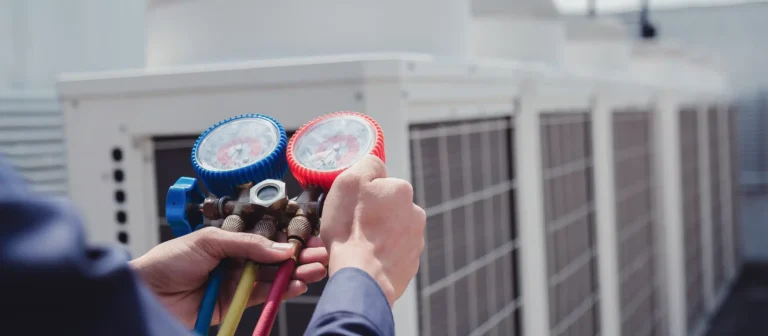
Good electricians separate urgent hazards from recommended improvements. They also admit when more investigation is needed. Walls hide things. So do ceilings, crawl spaces, and previous owners with staple guns. Anyone who gives absolute answers without looking is selling confidence by the pound.
You should receive documentation: what was found, what needs repair, what is recommended, and where code upgrades may be triggered by new work. Photos help. So do clear estimates. If the home needs staged repairs, ask which items affect life safety, which affect reliability, and which are mainly convenience or modernization.
Insurance, resale, and the awkward questions
Electrical issues in older homes often surface during insurance renewals, real estate inspections, or renovations. Some insurers ask about knob-and-tube wiring, aluminum wiring, fuse panels, Federal Pacific or Zinsco panels, and service amperage. Requirements vary, and companies change policies, so it is best to ask directly rather than rely on neighborhood folklore.
For resale, ungrounded outlets, double-tapped breakers, missing GFCI protection, old panels, and visible amateur work can slow a deal. Buyers may overestimate the cost because they fear the unknown. Sellers may underestimate the issue because “it worked fine for us.” Both can be true in their own unhelpful way. A professional evaluation gives everyone better footing.
If you are buying an older home, do not assume a general home inspection is the same as a full electrical inspection. Home inspectors are valuable, but they typically perform visual inspections within limits. If the house has old wiring, questionable renovations, or major planned upgrades, bring in an electrician before you inherit someone else’s electrical scrapbook.
Special caution during renovations
Renovation is when old wiring gets offended. Circuits that sat undisturbed for decades are moved, extended, buried, or loaded differently. Walls open and reveal surprises. A simple bathroom remodel can uncover ungrounded circuits, improper fan wiring, shared neutrals, and old cable too brittle to reuse safely.
Kitchens are especially demanding. Modern kitchen code requirements exist because kitchens use a lot of power near water and grounded surfaces. Small appliance circuits, GFCI protection, dedicated appliance circuits, lighting, disposal, dishwasher, microwave, range hood, refrigerator, and sometimes instant hot water equipment all crowd into one space. The old single circuit that once powered a light and two outlets is not invited to this party.
Bathrooms are similar. Hair dryers draw serious current. Add heated floors, ventilation, lighting, bidet seats, and towel warmers, and the electrical plan needs adult supervision. Moisture, people with wet hands, and high-wattage appliances create a combination best handled by proper circuits and GFCI protection.
If you are opening walls, ask whether it makes sense to replace accessible old wiring at the same time. Labor for access often costs more than cable. Once the plaster is open, that is the moment to think ahead. Future you will not thank present you for saving a few dollars while leaving a brittle circuit sealed behind new tile.
Outdoor wiring and detached structures
Older homes often have garages, sheds, carriage houses, well pumps, lamp posts, and outdoor receptacles added over time. Outdoor wiring takes a beating from moisture, sunlight, soil movement, rodents, and lawn equipment. I have seen extension cords buried under mulch and called “landscape wiring” by people who should not be allowed near shovels.
Exterior outlets should have proper weather-resistant devices, in-use covers where required, GFCI protection, and wiring methods rated for the location. Detached garages may need proper feeder wiring, grounding electrodes in some cases, and correctly configured subpanels. Overhead clearances and underground burial depths matter. So does physical protection where wiring is exposed to damage.
Outdoor HVAC units need correct disconnects, conductor sizes, overcurrent protection, and grounding. Air conditioning maintenance may reveal a whip that is cracked from sun exposure or a disconnect that has corroded inside. Those parts are not decorative. They allow safe servicing and protect equipment.
Landscape lighting can be low voltage, but low voltage does not mean no standards. Transformers, cable routing, connections, and wet-location ratings still matter. A good Lighting contractor understands that outdoor lighting should not turn the flower bed into an electrical guessing game.
The cost question, asked carefully
Homeowners naturally want to know what repairs cost. The honest answer is that older homes vary wildly. Replacing a few unsafe devices may be modest. Adding a dedicated circuit may be straightforward in an unfinished basement and miserable in a finished plaster home with no access. A panel upgrade depends on service size, utility coordination, grounding upgrades, permits, local requirements, and whether the existing installation has surprises.
Whole-house rewiring is the big one. Costs depend on square footage, number of circuits, wall and ceiling access, finish repair, attic and basement conditions, local labor rates, and whether occupants remain in the home during work. It is not a project to price by vibes.
The better question is, “What should we do first?” A skilled electrician can help rank repairs. Sometimes a few targeted fixes dramatically reduce risk. Sometimes the system is so compromised that piecemeal work becomes false economy. If every opened box reveals crumbling insulation and illegal splices, continuing to patch may be like bailing a canoe with a soup spoon.
Living safely until upgrades happen
Not every homeowner can afford a full electrical overhaul immediately. Safety still improves with disciplined habits. Avoid high-wattage space heaters on old circuits. Do not run cords under rugs. Keep lamps within fixture wattage ratings. Stop using outlets that spark, buzz, or feel warm until inspected. Test GFCIs monthly if present. Label the panel accurately, one circuit at a time, with a helper and a plug-in lamp or tester.
Be careful with portable air conditioners and window units. Many draw substantial current and should not share a circuit with other heavy loads. If a cord or plug gets warm, unplug it and have the circuit evaluated. The same goes for dehumidifiers in basements. They run for long periods, often in damp spaces, and old outlets may not be up to the job.
Smoke alarms and carbon monoxide alarms are non-negotiable. Older homes should have properly placed, functioning alarms. Hardwired interconnected alarms with battery backup are ideal where feasible, but even battery units installed correctly are far better than the classic old-house method of “I think there’s one in a drawer.”
Respect the house, but do not romanticize the wiring
Old homes deserve care, not fear. Their electrical systems can be inspected, repaired, upgraded, and made far safer without stripping away the character that made you buy the place. The trick is knowing what to preserve and what to replace. Original woodwork? Preserve it. Original unsafe splices? Give them a dignified retirement in the trash.
Outdated wiring does not improve with optimism. It improves with proper diagnosis, careful workmanship, and realistic planning. Bring in an electrician before adding major loads. Coordinate with your Air conditioning contractor, Heating contractor, Plumber, or other trades when projects overlap. Treat moisture problems as electrical problems in disguise. Take flickers, heat, odors, and tripping breakers seriously.
The house may be old enough to have opinions, but it does not get a vote on safety. That part belongs to you, your electrician, and the quiet satisfaction of knowing the lights can stay on without turning the walls into a toaster.
Name: Service Lion Plumbing Heating Air Electric
Address: 521 W Briardale Ave, Orange, CA 92865, United States
Phone: (657) 567-7305
Website: https://callservicelion.com/
Email: [email protected]
Hours:
Monday: Open 24 hours
Tuesday: Open 24 hours
Wednesday: Open 24 hours
Thursday: Open 24 hours
Friday: Open 24 hours
Saturday: Open 24 hours
Sunday: Open 24 hours
Open-location code: R48R+WV Orange, California, USA
Map/listing URL:
https://www.google.com/maps/search/?api=1&query=Google&query_place_id=ChIJQU4LBWHV3IARtnABtyykSA4
Google Map:
Socials:
https://www.facebook.com/ServiceLionCA/
https://www.youtube.com/channel/UCR_L35QzsRTxYZtX8PxJvPw
Local Service Information
Service Lion Plumbing Heating Air Electric provides plumbing, drain, heating, air conditioning, and electrical services from its Orange, California location.The company serves homeowners and properties throughout Orange and communities across Orange County and surrounding areas.
Available services include plumbing repairs, water heater work, drain and sewer services, heating and cooling service, electrical repairs, panels, lighting, outlets, and related home-system work.
Service is available for residential properties as well as light commercial needs described within the company's local service-area information.
The company's website emphasizes locally operated service, coordinated home-system support, and practical scheduling for plumbing, HVAC, and electrical needs.
The matching public business listing shows the Orange location as open 24 hours a day, seven days a week.
For service information or scheduling, call (657) 567-7305 or visit https://callservicelion.com/.
The public map listing identifies the business at 521 W Briardale Ave, Orange, CA 92865 and can be used for location and direction information.
Popular Questions About Service Lion Plumbing Heating Air Electric
What services does Service Lion Plumbing Heating Air Electric provide?
The company provides plumbing, drain and sewer, heating, air conditioning, and electrical services. Its published services include plumbing repair, water heaters, drain clearing, sewer work, HVAC repair and installation, electrical repairs, panels, circuit breakers, lighting, outlets, and related services.
Where is Service Lion Plumbing Heating Air Electric located?
The matching business location is 521 W Briardale Ave, Orange, CA 92865, United States.
What areas does Service Lion Plumbing Heating Air Electric serve?
The company serves Orange County and surrounding communities. Its published service-area information includes Orange, Anaheim, Brea, Yorba Linda, Fullerton, Huntington Beach, Newport Beach, Costa Mesa, Irvine, Lake Forest, and additional nearby cities.
Is Service Lion Plumbing Heating Air Electric open 24 hours?
The matching public business listing shows the location as open 24 hours on Monday through Sunday.
Does Service Lion Plumbing Heating Air Electric work on drains and sewer lines?
Yes. Published services include drain clearing, rooter service, camera inspection, hydro jetting, sewer line repair and installation, water line work, slab leak detection, and trenchless sewer line repair.
Does Service Lion Plumbing Heating Air Electric provide heating and air conditioning service?
Yes. Its published HVAC services include air conditioning repair and installation, heating service, furnace work, heat pumps, air ducts, indoor air quality assessments, and thermostat installation.
Does Service Lion Plumbing Heating Air Electric provide electrical service?
Yes. Published electrical services include repairs and installations, electrical panels, circuit breakers, safety inspections, lighting, outlets and switches, surge protection, generators, and EV charging equipment installation.
How can I contact Service Lion Plumbing Heating Air Electric?
Call (657) 567-7305.
Email: [email protected]
Website: https://callservicelion.com/
Facebook: https://www.facebook.com/ServiceLionCA/
Landmarks Near Orange, California
Old Towne Orange Historic District
A central historic district and useful geographic reference point for the Orange community.
Plaza Park
A well-known public gathering point in the center of Old Towne Orange.
Orange Public Library & History Center
A civic landmark serving residents near central Orange.
Hart Park
A major public park and recreation area south of central Orange.
Eisenhower Park
A public park serving neighborhoods in northern Orange.
Santiago Oaks Regional Park
A regional recreation and open-space landmark on the eastern side of Orange.
Irvine Regional Park
A large regional park and recognizable reference point east of the city.
Orange Park Acres
A distinctive residential community and service-area reference point in eastern Orange.
El Modena
An established Orange neighborhood that provides a practical local coverage reference.
Glassell Street
One of the city's principal north-south streets and a useful route through central Orange.
Lincoln Avenue
A major east-west roadway serving northern Orange and nearby communities.
State Route 55
A primary regional freeway connecting Orange with other parts of Orange County.