Drain Cleaning Tips to Prevent Costly Plumbing Emergencies
A drain clog never arrives with manners. It does not knock, book an appointment, or wait until after dinner. It announces itself with a glug from the kitchen sink, a shower pan that turns into a wading pool, or the unmistakable smell of trouble creeping up from the basement floor drain. Plumbing emergencies are rude like that.
The good news is that most drain disasters do not appear out of nowhere. They usually build slowly, layer by layer, like a tiny underground lasagna made of grease, soap film, hair, food scraps, mineral scale, and poor decisions. Catch those early and you save yourself a panicked call, a soaked cabinet, and the spiritual defeat of mopping at 11:47 p.m.
I have seen enough clogged drains to know one thing for sure: pipes remember everything. The bacon grease you rinsed away in March. The “flushable” wipes from the guest bathroom. The clump of hair that escaped the tub strainer. The toddler’s toy dinosaur that went on a heroic expedition into the toilet. Eventually, the bill comes due.
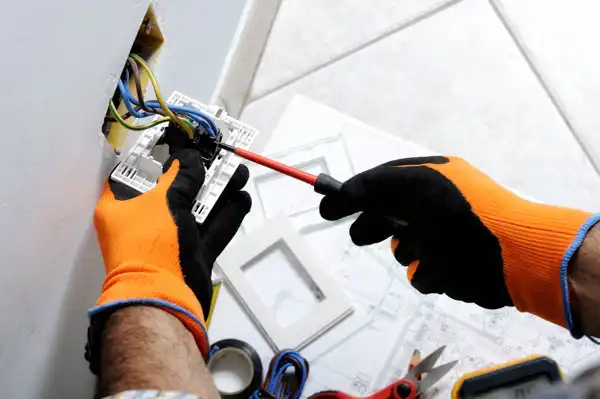
Here is how to keep your drains moving, your floors dry, and your plumber visits scheduled rather than frantic.
Your drains are not trash cans with plumbing attached
The first rule of drain cleaning is less exciting than a shiny new gadget, but far more effective: stop feeding the clog.
Kitchen sinks are the usual crime scene. People tend to trust the garbage disposal a little too much, as if it were a wood chipper with a college degree. It is not. A disposal grinds food into smaller bits, but those bits still have to travel through pipes that may be older than your dishwasher, narrower than you think, and already coated with residue. Fibrous scraps such as celery strings, onion skins, corn husks, and artichoke leaves wrap around disposal blades and gather inside bends. Coffee grounds behave like wet sand. Pasta and rice swell. Eggshells do not “sharpen the blades,” despite what somebody’s uncle swore at a barbecue in 1998.
Grease is worse. Warm grease slides down the drain like it has a plan. Then it cools, stiffens, and starts collecting debris. A little cooking oil once a week may not seem dramatic, but plumbing emergencies are often built from tiny habits repeated for years. I once opened a kitchen line where the blockage had the texture of candle wax and the personality of a tax audit. The homeowner said they “hardly ever” poured grease down the sink. That usually means “only when the pan was annoying to wipe.”
Bathrooms have their own villains. Hair and soap scum form a surprisingly strong partnership, like a criminal duo with excellent chemistry. Toothpaste, shaving cream, makeup residue, and bath oils add their contributions. In toilets, the list of acceptable items is gloriously short: human waste and toilet paper. Anything else is gambling with porcelain.
The little sounds that warn you before the flood
Drains often whisper before they scream. A slow sink is not just slow. It is a warning light. A gurgling toilet may be telling you air is trapped because wastewater is struggling to move through the line. A shower drain that clears slowly on Monday and turns your shower into ankle soup by Friday is not being mysterious. It is getting worse.
Pay attention to timing. If one fixture drains slowly, the clog may be local. A bathroom sink full of hair, for example, is usually a smaller job than a clog affecting every drain in the house. If multiple fixtures act up at once, especially lower-level drains, the main sewer line may be involved. That is when Rooter service or camera inspection becomes more than a nice idea.
Odor matters too. A sour drain smell may come from trapped organic gunk in a sink or shower. A sewer gas smell can point to a dry trap, a venting problem, or a deeper drainage issue. If you smell gas near appliances, that is not a drain issue, and it is not a “wait and see” moment. Leave the area and call the proper emergency service or a qualified Gas installation service professional. Plumbing has many smells, but gas is not one to negotiate with.
Water backing up is the loudest warning. If using the washing machine causes water to rise in a nearby floor drain, or flushing a toilet makes the tub gurgle, you may be dealing with a main drain restriction. At that point, plunging random fixtures can make the mess travel rather than disappear. Plumbing has a mean sense of humor.
The best drain cleaning tool is boring maintenance
Preventive drain cleaning is not glamorous. Nobody brags at a party about cleaning their sink stopper. Well, nobody invited to many parties. But routine maintenance beats emergency Plumbing leak repair, cabinet replacement, floor restoration, and the awkward experience of explaining to guests why the downstairs bathroom sounds haunted.
Start with strainers. A $5 drain screen catches what your pipes should never meet. Use one in the kitchen, tub, and shower. Empty it often. Yes, it is gross. So is a backed-up shower, and that one costs more.
In the kitchen, wipe greasy pans with a paper towel before washing. Let grease cool in a container and throw it in the trash. Run cold water before, during, and after using the disposal. Cold water helps keep fats more solid so they move through as particles rather than coating the line. Feed scraps slowly. The disposal should not sound like it is chewing gravel in a panic.
For bathroom sinks, pull and clean the stopper every few weeks. Most pop-up stoppers collect a swampy ring of hair and soap film just below the surface. It is one of the least charming chores in homeownership, but it takes five minutes and can save you from a full clog. Wear gloves, breathe through your mouth if needed, and try not to make eye contact with whatever comes out.
Hot water flushes can help, within reason. Once a week, running hot tap water down bathroom and kitchen drains for a minute or two may help move soap residue and light buildup. Boiling water is riskier, especially for PVC piping, porcelain sinks, or toilets. Some pipes tolerate it, some do not, and your drain line is not the place to conduct a science fair project.
Chemical drain cleaners: the spicy regret in a bottle
Chemical drain cleaners promise victory with big labels and dramatic words. They can sometimes open a minor clog, but they are not harmless. Caustic cleaners generate heat and can damage older metal pipes, soften plastic components, chew up finishes, and sit in a blocked line waiting for the next person who opens the pipe. That next person may be your Plumber, who will not be delighted to discover a pipe full of chemical soup.
Acidic drain cleaners are even more aggressive and are usually best left out of residential DIY entirely. Enzyme-based cleaners are gentler and can help with organic buildup when used regularly, though they work slowly. Think of enzymes as maintenance, not rescue. If the tub is already full of gray water, an enzyme cleaner is not going to ride in like a superhero before bedtime.
The trade-off is simple. If you use harsh chemicals and they do not work, you may turn a manageable clog into a more hazardous service call. If you use them repeatedly, you may also hide a worsening problem until the line blocks completely. I would rather see a homeowner use a plunger, clean a trap, or call for professional Drain cleaning than pour mystery liquid into a drain and hope the pipe gods are feeling generous.
The plunger deserves more respect
A plunger is cheap, simple, and often unfairly blamed for user error. There are two common types: cup plungers for sinks and flat surfaces, and flange plungers for toilets. A flange plunger has an extended rubber sleeve that fits into the toilet drain opening, creating a better seal. Using a small sink plunger on a toilet is like bringing a salad fork to a sword fight.
Technique matters. You need enough water to cover the plunger cup. Seal overflow openings on sinks or tubs with a wet rag, because pressure will escape through the easiest path. Start gently to burp out trapped air, then plunge with steady force. The goal is not rage. The goal is pressure movement. If plunging works, run water to confirm the line clears fully. A partial opening can fool you for a day, then clog again right when you are wearing nice socks.
Toilets require judgment. If the bowl is already near the rim, do not flush again “just to check.” That is how bathrooms become indoor ponds. Turn off the supply valve behind the toilet if water keeps rising. Plunge carefully. If the clog does not move after several tries, stop before you damage the wax ring at the base or push an object deeper into the line.
When a hand auger helps, and when it makes things worse
A small hand auger or drain snake can be useful for bathroom sinks, tubs, and some toilet clogs. It can hook hair, break up soft obstructions, or pull out small debris. It can also scratch porcelain, puncture old piping, tangle in drum traps, or push a blockage farther down the line. Like many tools, it is innocent until paired with confidence and no plan.
For bathroom sinks, removing and cleaning the P-trap often works better than blindly snaking. Put a bucket underneath, loosen the slip nuts, and expect water. The trap may contain jewelry, toothpaste caps, sludge, or a smell that briefly changes your worldview. Reassemble carefully and check for leaks. If fittings are brittle or corroded, stop before you turn a clog into a Plumbing leak repair call.
Toilets need a closet auger, not a standard metal snake. A closet auger is designed to protect the porcelain while reaching into the toilet trapway. If a child has flushed a toy, a comb, or one of those tiny plastic things nobody can identify, an auger may retrieve it. If not, the toilet may need to be pulled. This is where professional help starts looking much cheaper than cracked porcelain.
Main lines are different. A homeowner-grade snake usually lacks the length, cable strength, and cutting heads needed for roots or heavy buildup. Renting a large machine is possible, but those machines can injure hands, kink cables, damage pipes, and make a bad Saturday unforgettable. Main line cleaning is usually a job for a trained plumber with the right equipment and insurance.
The main sewer line: where small habits become expensive stories
The main sewer line carries wastewater from your home to the municipal sewer or septic system. When it clogs, everything upstream gets involved. That means toilets, tubs, showers, sinks, laundry drains, and floor drains may all start participating in a very unpleasant group project.
Tree roots are a common cause, especially in older clay, cast iron, or concrete lines with joints. Roots seek moisture and nutrients. A tiny opening in a pipe joint is basically a five-star invitation. Once inside, roots grow into a net that catches paper and debris. Snaking may cut them back, but roots often return unless the damaged pipe is repaired, lined, or replaced.
Bellied pipes cause repeated clogs too. A belly is a sag in the line where water and solids collect instead of flowing away. No amount of wishful thinking fixes gravity. Grease buildup, scale, collapsed pipe sections, and improper slope can also cause repeat problems. If the same drain clogs every few months, the problem is not bad luck. It is evidence.
This is where camera inspection earns its keep. A drain camera shows whether the problem is roots, scale, broken pipe, standing water, a foreign object, or a questionable installation from the era of shag carpet. Without a camera, repeated drain cleaning can become guesswork with invoices.
Hydrojetting is powerful, but not always the first move
Hydrojetting uses high-pressure water to scour the inside of drain and sewer pipes. For grease, sludge, sand, and many root intrusions, it can clean far more thoroughly than a standard cable machine. Restaurants often rely on hydrojetting because grease lines do not care how carefully the staff says they scrape plates.
In homes, hydrojetting can be excellent for recurring kitchen line clogs, main sewer buildup, and lines that need a more complete cleaning after roots are cut. But pressure is not magic. Old, fragile, cracked, or collapsed pipes may not be good candidates. A responsible technician will consider pipe condition, age, material, access points, and symptoms before blasting away. Sometimes the right first step is a camera inspection. Sometimes it is a cable. Sometimes it is repair.
Hydrojetting also needs proper access. Cleanouts matter. A cleanout is an opening that allows plumbers to access the drain line without removing fixtures. Homes with accessible exterior cleanouts are easier and cleaner to service. Homes without them may require roof access, fixture removal, or installation of a new cleanout. If you have ever watched a plumber try to clear a main line through a tiny interior access point surrounded by finished flooring, you understand why cleanouts are beloved.
Your septic system changes the rules
If your home uses a septic system, drain care becomes even more important. Everything that goes down the drain enters a biological treatment system that depends on balance. Harsh chemicals, excess grease, wipes, feminine hygiene products, paper towels, and heavy water use can all create problems. A septic system service professional can advise on pumping intervals, but many households fall somewhere around every three to five years depending on tank size, household size, water usage, and local conditions.
Septic drain issues may show up as slow fixtures, odors, wet areas in the yard, unusually green grass over the drain field, or sewage backing up into the house. Do not ignore these. A failing drain field is not a small inconvenience. It is expensive, disruptive, and extremely uninterested in your weekend plans.
Garbage disposals are also worth reconsidering on septic systems. Some homes use them without obvious trouble, but disposals add solids and grease load to the tank. If you rely on septic, scraping plates into the trash or compost is usually kinder to the system.
A simple drain care rhythm that actually works
You do not need to treat your house like a laboratory. A practical rhythm beats dramatic rescue attempts. Keep it simple enough that you will actually do it when life is busy and the dog is staring at you like you forgot dinner.
- Use strainers in showers, tubs, and kitchen sinks, then empty them before they look like a small woodland creature.
- Wipe grease from cookware before washing, and put cooled grease in the trash.
- Clean sink stoppers and visible drain covers monthly.
- Run hot tap water through frequently used drains once a week.
- Call for professional Drain cleaning when slow drains return quickly or affect multiple fixtures.
That is one of those boring lists that saves real money. Not glamorous. Very effective. Plumbing maintenance rarely gets applause, but neither does avoiding a sewer backup, and that one deserves a parade.
Why drain problems often travel with other home service headaches
Home systems overlap more than people think. A clogged condensate drain from an air conditioner can cause water damage near the indoor unit. An Air conditioning contractor or Air conditioning repair service may clear a condensate line during Air conditioning maintenance or an Air conditioning tune-up, but if that line ties into plumbing drainage improperly, a plumber may need to look at it too.
Water heaters bring another crossover. Sediment from a failing tank, thermal expansion issues, or leaking supply connections can create moisture around floor drains. Water heater repair and Water heater installation should include attention to safe drainage from relief valves and pans where required by local code. A pan drain that terminates somewhere useless is just a decorative moat.
Heating systems can play a role as well. High-efficiency furnaces produce condensate that must drain properly. A Furnace repair service or Heating contractor may find clogged condensate tubing, failed pumps, or neutralizer issues. Heat pump installation can involve condensate drainage too, depending on the equipment. When those small drain lines clog, they can shut equipment down or create water damage that looks like a plumbing leak.
Even electrical work can enter the story. If water backs up near outlets, panels, lighting, or equipment, an Electrician or Lighting contractor may need to verify safety before repairs continue. Water and electricity have a famously poor working relationship. If a drain backup reaches mechanical rooms, laundry areas, or finished basements, do not assume the cleanup is only about plumbing.
Water quality matters too. Hard water can leave mineral scale in fixtures and sometimes contribute to buildup in lines and appliances. Water softener installation does not solve every drain issue, but it can reduce scale-related wear in water-using equipment and fixtures. If you are already dealing with recurring fixture problems, water quality belongs in the conversation.
When repiping enters the conversation
Most clogs do not require Plumbing repiping. Let us not bring a cannon to a hairball. But some homes have piping problems that make clogs frequent and repairs temporary. Old galvanized drain lines can corrode internally until the opening narrows dramatically. Cast iron can scale, crack, or develop rough interiors that catch debris. Poorly installed plastic piping may have improper slope, too many sharp turns, or sagging runs.
A good plumber will not recommend repiping just because a drain clogged once. They will look for patterns: repeat blockages in the same area, visible corrosion, leaks, camera evidence, chronic odors, or drainage that never performs properly even after cleaning. Partial replacement may be enough. Sometimes replacing one bad section fixes years of nuisance clogs. Other times, especially in older homes with widespread deterioration, larger drainage upgrades make sense.
The annoying part is that pipe replacement costs more upfront than cleaning. The useful part is that it can stop the cycle of paying repeatedly for temporary relief. A camera inspection helps separate a maintenance issue from a structural one. Nobody should be guessing with your walls and floors open.
The emergency signs that deserve a fast call
Some drain problems can wait until normal business hours. Others should not. If sewage backs up into a tub, shower, toilet, or floor drain, stop using water in the house and call a professional. Running the dishwasher, washing machine, or another shower may add more wastewater to a blocked system. The clog has already RSVP’d. Do not feed it.
If water appears near the water heater, under cabinets, through ceilings, or around walls, you may be dealing with a supply leak rather than a drain clog. Supply leaks can release a lot of water quickly because they are under pressure. Shut off the nearest valve if you can, or the main water shutoff if needed. Then call for Plumbing leak repair. If the water heater itself is involved, ask about Water heater repair or replacement options after the immediate leak is controlled.
If a drain clog is accompanied by electrical hazards, burning smells, tripped breakers, or wet electrical equipment, step back. Bring in the right licensed trades. A plumber fixes the water problem. An electrician confirms the electrical system is safe. The house does not award bonus points for bravery with wet outlets.
What a professional drain cleaning visit should include
A solid service call is more than “run cable, collect payment, vanish.” The technician should ask what fixtures are affected, when the issue started, whether it has happened before, and what has already been tried. That last question matters, especially if chemicals were used. Nobody wants surprise drain cleaner on their skin.
Access matters. The plumber should identify cleanouts, protect work areas, use appropriate equipment, and test drainage after clearing the line. For recurring or main line problems, they may recommend camera inspection. If roots appear, they may discuss Rooter service, Hydrojetting, repair, or replacement depending on pipe condition. Good drain work balances immediate relief with honest diagnosis.
Here is a reasonable homeowner question to ask: “Does this look like a one-time clog, or is there evidence of a larger problem?” The answer may not be perfect without a camera, but an experienced plumber can often tell whether the cable encountered soft buildup, roots, heavy scale, or a hard obstruction. That information helps you decide whether preventive maintenance is enough or whether repair planning should start.
Price varies by region, access, time of day, severity, and equipment needed. Emergency after-hours calls cost more because people generally prefer not to wrestle sewer cables at midnight unless properly compensated. Fair enough. Preventive drain cleaning during regular hours is almost always cheaper than emergency work plus cleanup.
The habits that quietly wreck drains
Homes develop personalities. Some are gentle on drains. Others treat plumbing like a dare. The difference usually comes down to small habits.
Washing machine lint can contribute to clogs, especially in older laundry drains. A lint catcher or periodic line maintenance may help if laundry backups recur. Long hair in showers needs a strainer, not optimism. Bath bombs can leave oils, salts, glitter, and residue. Glitter in plumbing is proof that some materials are both festive and spiteful.
Low-flow fixtures save water, which is good, but they can expose problems in older drain lines with poor slope or rough interiors. Less water means less carrying power. This does not mean low-flow toilets are bad. Modern ones usually work well when installed properly. It does mean an old drain line already on the edge may complain.
Kitchen remodels can create issues when sink locations move and drain runs become longer or more complicated. The same goes for basement bathrooms added where gravity is uncooperative. Plumbing should be designed with slope, venting, access, and cleanouts in mind. Pretty cabinets are lovely, but they do not clear clogs.
Drains in older homes need a little extra respect
Older homes often have charm, thick trim, real wood doors, and plumbing that has seen some things. Cast iron, galvanized steel, clay sewer pipe, and old copper drain lines all have different failure patterns. Cast iron can last many decades, but it can corrode from the inside. Galvanized pipe narrows over time. Clay sewer laterals are vulnerable to root intrusion at joints. Orangeburg pipe, found in some mid-century installations, can deform and collapse.
If you own an older home, do not wait for a disaster to learn what kind of drain and sewer piping you have. A camera inspection of the main line is especially wise before buying a house, finishing a basement, or planting trees near the sewer path. Sewer replacement is one of https://firmania.com/orange-orange-ca/service-lion-plumbing-heating-air-electric-8714119 those expenses people prefer to know about before installing new flooring directly above the problem.
Maintenance should be gentler too. Aggressive chemicals and high-pressure cleaning may not suit fragile piping. That does not mean you are doomed. It means diagnosis matters. The right approach keeps old systems functioning without beating them into retirement.
A word about trees, roots, and wishful landscaping
Trees do not hate your sewer line. They simply love water, and your sewer line may be offering a buffet. Large trees near older sewer laterals raise the risk of root intrusion, especially if pipe joints leak. Removing a tree does not always remove roots already in the pipe, and it may not solve a damaged line. Root treatments can slow regrowth in some cases, but they are not permanent repairs for broken piping.
Before planting new trees, consider the sewer path. Choose species and locations carefully. A beautiful shade tree is wonderful. A beautiful shade tree whose roots invade the main line every spring is less wonderful, unless you collect plumber invoices as a hobby.
Recurring root clogs should be documented. Ask for camera footage or photos when possible. If repairs are needed, options may include spot repair, pipe lining, pipe bursting, or excavation, depending on pipe material, depth, location, and local code. There is no universal answer. Anyone who gives one without seeing the line may also be willing to diagnose your car by listening to a voicemail.
The drain-friendly home is mostly common sense, applied consistently
The best drain strategy is not dramatic. It is ordinary discipline with occasional professional backup. Keep grease out. Catch hair. Respect toilets. Clean stoppers. Watch for slow drains. Avoid harsh chemicals. Call before the backup reaches the carpet.
Plumbing emergencies are expensive because they stack costs. The clog is one cost. The emergency visit is another. Then come cleanup, drying, damaged flooring, swollen cabinets, ruined drywall, odor treatment, and possibly electrical or HVAC safety checks if water reaches mechanical spaces. A small clog handled early is irritating. A sewer backup through a finished basement is a financial opera, and nobody leaves humming.
A good Plumber is part technician, part detective, part person willing to deal with things most people refuse to name. Use that expertise before the crisis. If your home also needs related work from an Air conditioning contractor, Heating contractor, Electrician, Septic system service provider, or Gas installation service, coordinate when systems overlap. Houses do not care which trade owns which pipe, wire, drain, vent, or appliance. They only care whether everything works.
Take drains seriously while they are still merely annoying. That is the sweet spot. Once water is backing up, the drain has moved from “maintenance item” to “plot twist.” And frankly, your weekend deserves better writing than that.
Name: Service Lion Plumbing Heating Air Electric
Address: 521 W Briardale Ave, Orange, CA 92865, United States
Phone: (657) 567-7305
Website: https://callservicelion.com/
Email: [email protected]
Hours:
Monday: Open 24 hours
Tuesday: Open 24 hours
Wednesday: Open 24 hours
Thursday: Open 24 hours
Friday: Open 24 hours
Saturday: Open 24 hours
Sunday: Open 24 hours
Open-location code: R48R+WV Orange, California, USA
Map/listing URL:
https://www.google.com/maps/search/?api=1&query=Google&query_place_id=ChIJQU4LBWHV3IARtnABtyykSA4
Google Map:
Socials:
https://www.facebook.com/ServiceLionCA/
https://www.youtube.com/channel/UCR_L35QzsRTxYZtX8PxJvPw
Local Service Information
Service Lion Plumbing Heating Air Electric provides plumbing, drain, heating, air conditioning, and electrical services from its Orange, California location.The company serves homeowners and properties throughout Orange and communities across Orange County and surrounding areas.
Available services include plumbing repairs, water heater work, drain and sewer services, heating and cooling service, electrical repairs, panels, lighting, outlets, and related home-system work.
Service is available for residential properties as well as light commercial needs described within the company's local service-area information.
The company's website emphasizes locally operated service, coordinated home-system support, and practical scheduling for plumbing, HVAC, and electrical needs.
The matching public business listing shows the Orange location as open 24 hours a day, seven days a week.
For service information or scheduling, call (657) 567-7305 or visit https://callservicelion.com/.
The public map listing identifies the business at 521 W Briardale Ave, Orange, CA 92865 and can be used for location and direction information.
Popular Questions About Service Lion Plumbing Heating Air Electric
What services does Service Lion Plumbing Heating Air Electric provide?
The company provides plumbing, drain and sewer, heating, air conditioning, and electrical services. Its published services include plumbing repair, water heaters, drain clearing, sewer work, HVAC repair and installation, electrical repairs, panels, circuit breakers, lighting, outlets, and related services.
Where is Service Lion Plumbing Heating Air Electric located?
The matching business location is 521 W Briardale Ave, Orange, CA 92865, United States.
What areas does Service Lion Plumbing Heating Air Electric serve?
The company serves Orange County and surrounding communities. Its published service-area information includes Orange, Anaheim, Brea, Yorba Linda, Fullerton, Huntington Beach, Newport Beach, Costa Mesa, Irvine, Lake Forest, and additional nearby cities.
Is Service Lion Plumbing Heating Air Electric open 24 hours?
The matching public business listing shows the location as open 24 hours on Monday through Sunday.
Does Service Lion Plumbing Heating Air Electric work on drains and sewer lines?
Yes. Published services include drain clearing, rooter service, camera inspection, hydro jetting, sewer line repair and installation, water line work, slab leak detection, and trenchless sewer line repair.
Does Service Lion Plumbing Heating Air Electric provide heating and air conditioning service?
Yes. Its published HVAC services include air conditioning repair and installation, heating service, furnace work, heat pumps, air ducts, indoor air quality assessments, and thermostat installation.
Does Service Lion Plumbing Heating Air Electric provide electrical service?
Yes. Published electrical services include repairs and installations, electrical panels, circuit breakers, safety inspections, lighting, outlets and switches, surge protection, generators, and EV charging equipment installation.
How can I contact Service Lion Plumbing Heating Air Electric?
Call (657) 567-7305.
Email: [email protected]
Website: https://callservicelion.com/
Facebook: https://www.facebook.com/ServiceLionCA/
Landmarks Near Orange, California
Old Towne Orange Historic District
A central historic district and useful geographic reference point for the Orange community.
Plaza Park
A well-known public gathering point in the center of Old Towne Orange.
Orange Public Library & History Center
A civic landmark serving residents near central Orange.
Hart Park
A major public park and recreation area south of central Orange.
Eisenhower Park
A public park serving neighborhoods in northern Orange.
Santiago Oaks Regional Park
A regional recreation and open-space landmark on the eastern side of Orange.
Irvine Regional Park
A large regional park and recognizable reference point east of the city.
Orange Park Acres
A distinctive residential community and service-area reference point in eastern Orange.
El Modena
An established Orange neighborhood that provides a practical local coverage reference.
Glassell Street
One of the city's principal north-south streets and a useful route through central Orange.
Lincoln Avenue
A major east-west roadway serving northern Orange and nearby communities.
State Route 55
A primary regional freeway connecting Orange with other parts of Orange County.