Air Conditioning Repair Service for Cooling System Problems
Air conditioners have a talent for choosing the worst possible moment to misbehave. They rarely fail during a polite spring afternoon when everyone has free time and good hair. No, they wait for the heavy, sticky day when the house feels like a baked potato and the thermostat is being stared at like it owes someone money.
That is where a proper air conditioning repair service earns its keep. Not the vague “turn it off and back on” kind of help, though that humble trick has saved more dignity than most people admit. I mean trained service from an air conditioning contractor who understands cooling equipment, airflow, refrigerant handling, electrical connections, system sizing, maintenance history, and the strange little clues a cooling system leaves behind before it gives up and starts blowing room-temperature disappointment.
Air conditioning repair sits inside a larger trade family. Plumbing, heating, and air-conditioning work are recognized as special trade contractor services, and electrical work is its own separate category. In the real world, those lines meet often. A cooling system may need HVAC service, an electrician’s eye on a circuit, a plumber’s attention near a condensate drain, or a heating contractor’s judgment if the equipment also supports heat pump operation. The best service companies know where their expertise begins, where it overlaps, and when to bring in the right specialist instead of pretending every problem can be fixed with a screwdriver and confidence.
When “not cooling” is not the whole story
Homeowners usually call for air conditioning repair with one sentence: “It’s not cooling.” Fair enough. Nobody calls to say, “My evaporator coil appears emotionally unavailable.” But “not cooling” can mean several different problems.
Sometimes the system runs constantly and never reaches the thermostat setting. Sometimes it starts, stops, starts again, then sulks. Sometimes the indoor fan moves air but the air is not cool. Sometimes the outdoor unit is silent while the inside equipment keeps blowing air like it is auditioning for a desk fan. And sometimes the air conditioner cools part of the home while another room feels like a greenhouse with carpet.
A careful technician does not treat all of those complaints the same way. Cooling performance depends on proper installation, correct equipment sizing, proper refrigerant charging, clean and functioning components, and the health of the electrical and control systems that make everything work together. ENERGY STAR guidance on quality HVAC installation highlights correct sizing and refrigerant charge because both matter. An oversized or undersized system can cause comfort trouble, and an improper refrigerant charge can waste energy and raise the risk of failure. That is not salesmanship. That is physics, wearing work boots.
Good repair starts with listening. When did the problem begin? Has anyone changed the thermostat settings? Was there recent air conditioning maintenance? Has construction dust been floating through the house? Did the system work last season? Was there a heat pump installation recently? Has a furnace repair service been out to the same equipment cabinet? The answers steer the diagnosis away from guesswork and toward the part of the system that deserves attention.
What an air conditioning contractor actually does
An HVAC contractor’s core business is installing and maintaining heating, ventilation, and air-conditioning equipment. That sounds tidy on paper. On a service call, it is messier and more interesting. The contractor may inspect airflow, electrical components, refrigerant-related performance, controls, ducts, drains, outdoor equipment condition, and installation factors. They may perform repairs, maintenance, equipment replacement, duct cleaning, or work associated with the plumbing and electrical connections tied to heating and cooling systems.
That last phrase matters. Air conditioning does not live in a vacuum, even though parts of the refrigeration cycle would enjoy the joke. Cooling systems connect to buildings. They need safe electrical power. They create condensate that has to drain somewhere. They may share cabinets, fans, thermostats, and ductwork with heating equipment. They may be part of a heat pump system that cools in summer and heats when temperatures drop. A skilled heating contractor or air conditioning contractor thinks in systems, not isolated gadgets.
There is also a regulatory side. Air conditioners are treated as appliances under refrigerant rules, and technicians involved in service, maintenance, repair, or installation can include installers and contractor employees. Refrigerant is not something to treat casually. When a repair involves refrigerant circuits, it belongs with qualified people who understand the equipment and the responsibilities that come with servicing it.
The usual suspects behind cooling system problems
Cooling systems fail for dull reasons more often than dramatic ones. Everyone imagines a major mechanical collapse, complete with sparks and orchestral music. In practice, many calls involve neglected maintenance, weak airflow, control issues, electrical faults, installation shortcomings, or refrigerant-related problems that require proper testing.
Airflow deserves more respect than it gets. If air cannot move across the indoor coil and through the duct system, cooling suffers. The thermostat may be calling for cold air, the outdoor unit may be running, and the system may still perform poorly because the air side of the equation is limping. Dust, restrictions, blower issues, duct concerns, or poor setup can all turn a capable air conditioner into an expensive noise machine.
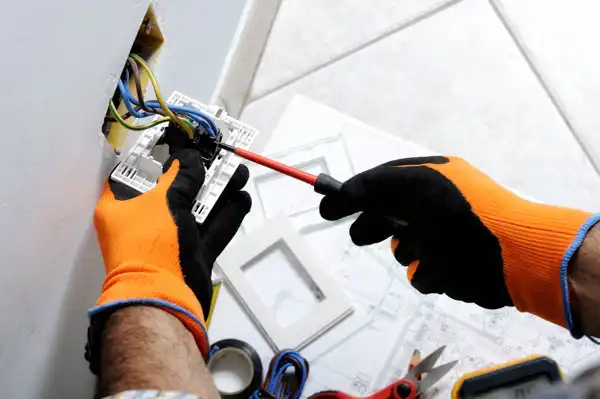
Electrical issues bring their own brand of mischief. Air conditioning equipment depends on motors, controls, contactors, capacitors, wiring, breakers, disconnects, and thermostats. Some problems fall squarely within HVAC service. Others may require an electrician, especially when the concern reaches into building wiring, service panels, lighting contractor work nearby, or broader electrical safety questions. The smart contractor does not play hero with electricity. Electricity is not https://electricianslist.com/Electrician/ca/orange/service-lion-plumbing-heating-air-electric-orange-ca impressed by optimism.
Then there is refrigerant charge. Proper charging of an air conditioner or heat pump can reduce energy consumption and lower the risk of equipment failure. Too often, people treat refrigerant like fuel, assuming the system simply “uses it up.” A sealed cooling system is not supposed to consume refrigerant in the way a car consumes gasoline. If charge is wrong, a trained technician needs to determine why and correct the real issue rather than just giving the system a seasonal top-off and a pep talk.
Repair, maintenance, and tune-up are cousins, not twins
Air conditioning repair, air conditioning maintenance, and an air conditioning tune-up are related services, but they are not the same thing.
Repair responds to a problem. The system is not cooling, making unusual noise, failing to start, leaking water from a condensate issue, tripping controls, or otherwise behaving like it has joined a protest movement. The technician diagnoses the fault and corrects it if possible.
Maintenance is preventive. It aims to keep the equipment clean, adjusted, safe, and operating as intended. It may catch small issues before they become larger ones. Good maintenance does not guarantee that no part will ever fail, just as brushing your teeth does not guarantee you will never meet a dentist with a drill. But it improves the odds.
A tune-up usually refers to a focused maintenance visit where the contractor checks operation, cleans appropriate components, verifies settings, looks for wear, and evaluates performance. The exact scope depends on the company, the equipment type, and the service agreement. The important point is clarity. A customer should know what is included before the visit begins. “Tune-up” should not mean a technician glances at the thermostat, compliments the dog, and leaves a magnet on the refrigerator.
A short homeowner checklist before calling for service
There are a few safe checks a homeowner can make before calling for air conditioning repair service. These do not replace professional diagnosis, but they can prevent the classic service call where the entire problem was a thermostat set to heat by a visiting uncle with strong opinions.
- Check that the thermostat is set to cooling and the temperature setting is below the current room temperature.
- Confirm the system has power at the normal switches or breakers, without repeatedly resetting anything that trips.
- Look for obvious airflow restrictions at return grilles or supply vents.
- Make sure the outdoor unit is not blocked by debris or storage items.
- Note any unusual sounds, odors, water, or timing patterns so you can describe them clearly.
That is the full homeowner hero arc. After that, put down the tools. Opening equipment cabinets, testing electrical components, or touching refrigerant-related parts is work for trained service people. The goal is to be helpful, not to become the subject of a cautionary tale at the supply house.
Why installation quality haunts repair calls
Some repair calls are really installation calls wearing a fake mustache. If equipment was not sized correctly, charged correctly, connected properly, or matched well to the building’s needs, later service visits may keep treating symptoms without curing the disease.
Correct equipment sizing is not a decorative detail. Oversized cooling equipment can create comfort problems because it may not run in a way that suits the space. Undersized equipment can struggle to meet demand. The right answer depends on the home, the load, the equipment, and the design. A contractor who treats sizing as “same as the old one” may get lucky. Luck is not a design method.
Refrigerant charging is just as important. ENERGY STAR’s quality installation guidance calls out proper charging because an incorrect charge can increase energy consumption and reduce reliability. A system can be new, shiny, and still wrong. That is particularly frustrating for homeowners because new equipment feels like it should be innocent. Unfortunately, machines are like puppies. Cute does not mean trained.
Heat pump installation adds another layer because the equipment handles both heating and cooling duties. A heat pump that cools poorly in summer may also reveal setup or service issues that matter during heating season. In homes where one contractor handles cooling and another handles heating, communication becomes important. The heating contractor, air conditioning contractor, and electrician may all touch pieces of the same comfort puzzle.
The plumbing side of cooling problems
Plumbing and air conditioning meet more often than people expect. Cooling equipment removes moisture from indoor air, and that moisture must go somewhere. Condensate drainage is not glamorous, but neither is water staining a ceiling. A blocked or poorly routed condensate line can create a service call that feels like an AC failure but behaves like a plumbing nuisance.
This is why companies that handle both HVAC and plumbing can be useful, provided they staff the right technician for the right job. A plumber may be needed for plumbing leak repair, drain cleaning, rooter service, or hydrojetting in parts of the building Plumber drainage system. An HVAC technician may handle condensate piping directly associated with the air conditioning equipment. The boundary depends on the installation and the problem. What matters is not the label on the van. It is whether the person diagnosing the issue understands where the water is coming from, where it should go, and what failed along the way.
The same mixed-trade reality shows up around water heater repair, water heater installation, plumbing repiping, and water softener installation. These are not air conditioning repairs, but they live in the same mechanical ecosystem in many service businesses. A company that understands plumbing, heating, and air-conditioning as related trades can schedule better, diagnose building symptoms more intelligently, and avoid sending three people to discover one obvious problem. That said, specialization still matters. A septic system service call is not an air conditioning repair call, even if both can ruin a Saturday.
The electrical side, where bravery should take the day off
Cooling systems need electrical power and controls. When those electrical pieces fail, the symptoms can mimic mechanical trouble. The indoor fan may not run. The outdoor unit may not start. A breaker may trip. A thermostat may fail to communicate properly. A safety switch may interrupt operation. A motor may struggle. A connection may be loose or damaged.
Some of these issues sit comfortably within air conditioning repair service. HVAC technicians routinely deal with equipment-side electrical components. But when the trouble points toward the building’s electrical system, panel, wiring, or circuits beyond the equipment, an electrician belongs in the conversation. This is not bureaucratic fussiness. It is good trade practice.
The same is true if other electrical projects are happening nearby. A lighting contractor working in the same area, a recent panel change, or new electrical loads can complicate the picture. Correlation is not always causation, but timing deserves attention. If the air conditioner began acting up right after electrical work, tell the technician. They may still find an unrelated AC fault, but nobody benefits from hiding the plot twist until act three.
When heating equipment matters during a cooling call
Many homes use shared components for heating and cooling. The blower that moves cool air in summer may also move warm air in winter. Ductwork serves both seasons. Thermostats often control both sides. In some systems, a furnace and air conditioner share cabinet space and airflow paths. That is why a furnace repair service can be relevant to cooling performance, and why a heating contractor may notice issues that affect air conditioning comfort later.
If the blower is not moving air correctly, cooling performance suffers. If the air distribution system is poor, both heating and cooling complain, though usually in different accents. If a previous furnace repair changed airflow settings or disturbed a control connection, the cooling season may expose it.
Gas installation service is another nearby category, particularly with gas furnaces or other fuel-burning equipment. Gas work is not casual handyman territory. It has its own safety concerns and trade requirements. While gas installation is not the same as air conditioning repair, a contractor working around combined HVAC equipment needs to respect both systems. The best technicians do not treat the furnace as a convenient shelf for tools while they work on cooling. The furnace remembers.
The difference between a quick fix and a proper diagnosis
A quick fix is not always bad. If a failed, obvious component is identified and replaced correctly, everyone can go home happy. The danger comes when speed replaces diagnosis.
A proper diagnosis asks why the symptom appeared. If a component failed, was it age, installation, electrical stress, airflow restriction, incorrect charge, or another condition? Not every failure has a grand backstory. Parts do wear out. But patterns matter. Replacing the same type of part repeatedly without asking why is not repair. It is subscription-based frustration.
A good technician also separates what is known from what is suspected. That honesty builds trust. “This part has failed” is different from “This may have failed.” “The system is low on refrigerant” is different from “The charge needs to be evaluated under proper conditions.” Clear language prevents customers from paying for guesses dressed in technical vocabulary.
Homeowners can help by sharing history. If three companies have added refrigerant over three summers, say so. If a previous contractor recommended duct changes, mention it. If the system has never cooled the back bedroom well, do not frame it as a sudden failure. A technician walking in cold can only see today’s evidence. You know the biography.
How maintenance changes the repair conversation
Regular air conditioning maintenance gives the contractor a baseline. When a system has service history, the technician can compare present performance to past observations. Without that history, every repair visit starts like a detective novel with half the pages missing.
Maintenance also catches unglamorous problems. Loose access panels, dirty components, weak drainage, worn parts, questionable electrical connections, poor airflow, and control irregularities are not exciting. That is exactly why they should be handled before they become exciting. Exciting, in mechanical systems, usually means expensive.
A seasonal air conditioning tune-up can be especially useful before heavy cooling demand arrives. Contractors get busy when temperatures spike, because every neglected system in the county seems to fail within the same dramatic week. Scheduling maintenance earlier can mean more appointment flexibility and less time listening to the indoor fan blow lukewarm air while everyone in the house develops a personality problem.
Still, maintenance is not magic. It cannot make badly sized equipment correctly sized. It cannot undo a poor installation without actual corrective work. It cannot guarantee that an aging part will not fail next month. What it can do is improve system care, reveal concerns, and support more reliable operation.
Choosing a service provider without needing a mechanical engineering degree
Selecting an air conditioning repair service should not require a dissertation, but it does require more than picking the first search result with a smiling thermostat mascot. The contractor should understand HVAC systems, service and repair work, installation quality, refrigerant responsibilities, and the trade boundaries around electrical, plumbing, heating, and related services.
A strong service company communicates plainly. They explain what they checked, what they found, what they recommend, and what can wait. They do not use fear as a sales tool. They do not turn every repair into an immediate replacement pitch. At the same time, they are willing to say when repair is poor value because the system’s condition, installation, or repeated failures make replacement worth discussing.
Here is a compact way to judge the conversation during a repair visit:
- The technician asks about symptoms, history, and recent work before diving into the equipment.
- The diagnosis connects the symptom to a cause, not just a part number.
- The estimate separates required repair from optional maintenance or improvement.
- The contractor explains when another trade, such as an electrician or plumber, may be needed.
- The recommendations account for equipment age, installation quality, and future reliability.
That list will not identify every great contractor, but it will filter out a surprising number of theatrical ones.
Repair or replace is not a moral issue
People sometimes talk about repairing versus replacing an air conditioner as if one option proves virtue and the other proves foolishness. It is more practical than that. Repair makes sense when the fault is isolated, the equipment is otherwise sound, and the cost fits the expected benefit. Replacement becomes more reasonable when the system has repeated failures, poor installation fundamentals, improper sizing, or repair costs that chase a machine with declining reliability.
A professional contractor should help weigh those trade-offs without turning the conversation into a hostage negotiation. If a modest repair restores dependable cooling, say so. If the repair is likely to be temporary because the system has broader issues, say that too. Customers can handle bad news. What they resent is fog.
Installation quality should sit at the center of any replacement discussion. A new system deserves correct sizing, proper refrigerant charging, and careful setup. Otherwise, the homeowner may trade an old problem for a new invoice. The same principle applies to heat pump installation, where cooling and heating performance both depend on good design and execution.
Commercial, residential, and the same old heat
HVACR contractors serve residential, commercial, industrial, institutional, and governmental systems. The scale changes, but the core idea remains: design, install, maintain, and service equipment that controls indoor comfort and ventilation. A small home system and a larger commercial system are not identical, of course. Access, controls, scheduling, occupancy, and equipment design can vary widely. But both punish sloppy assumptions.
In a residence, comfort complaints may center on bedrooms, humidity, noise, or energy use. In a business, cooling problems may affect staff, customers, equipment rooms, or operating hours. Either way, a proper air conditioning repair service has to respect the building’s use. A restaurant with a cooling failure at dinner rush and a spare bedroom running warm do not need the same scheduling response, even if both callers sound equally sweaty.
The humble art of telling the truth about comfort
Air conditioning repair is technical work, but it is also customer work. People call because they are uncomfortable, inconvenienced, and unsure what the problem will cost. A technician who can diagnose equipment but cannot explain the situation leaves the job half finished.
Good explanations do not need to be childish. Customers do not need baby talk. They need accurate language without a fog machine. Tell them whether the system is failing to start, failing to move air, failing to reject heat, failing to drain condensate, or failing because something outside the equipment is interfering. Tell them what repair should accomplish and what it will not accomplish. If the back room has always been hot because of duct layout, replacing one electrical part will not turn it into an ice cave. It may restore the system, but it will not redesign the building.
That kind of honesty is good business. It reduces callbacks, builds trust, and keeps everyone’s expectations tethered to reality. Reality, unlike refrigerant, should not leak out of the conversation.
Cooling systems are part of a bigger mechanical house
One reason plumbing and HVAC companies often offer broad services is that buildings do not organize their problems according to neat website categories. Air conditioning repair may brush against plumbing leak repair because of condensate water. Drain cleaning may matter if building drainage affects where condensate goes. Electrical service may matter if the equipment lacks proper power. Furnace repair service may matter if shared airflow components affect cooling. Heating contractor expertise may matter with heat pumps and combined systems.
Other services, such as water heater repair, water heater installation, plumbing repiping, water softener installation, septic system service, rooter service, hydrojetting, gas installation service, and lighting contractor work, are separate categories, but they often live under the same broader service-company roof. That does not mean every technician does every task. It means a well-run contractor understands how mechanical systems interact and schedules the right qualified person for the job.
That distinction matters. Breadth is useful only when backed by competence. Otherwise, it becomes a menu longer than the kitchen can handle.
A cooler house, without the circus
The best air conditioning repair service is not flashy. It is methodical. It starts with the complaint, checks the basics, respects safety, evaluates the system, explains the findings, and repairs what actually needs repair. It understands that proper installation, correct sizing, and proper refrigerant charging affect performance long after the original install date. It knows when the issue belongs to HVAC, when it touches plumbing, and when an electrician should step in.
Cooling problems are annoying, but they are rarely improved by panic. If the system stops cooling, gather the symptoms, make the few safe homeowner checks, and call a qualified air conditioning contractor. Ask clear questions. Expect clear answers. Keep maintenance on the calendar, not because equipment enjoys spa days, but because mechanical systems perform better when someone pays attention before they start making expensive noises.
A comfortable building is the result of many small things done correctly: air moving where it should, heat leaving where it must, water draining where it belongs, power arriving safely, controls communicating properly, and equipment matched to the space it serves. When those pieces work together, the air conditioner does not need applause. It just quietly does its job.
And on a sweltering afternoon, quiet competence feels downright luxurious.
Name: Service Lion Plumbing Heating Air Electric
Address: 521 W Briardale Ave, Orange, CA 92865, United States
Phone: (657) 567-7305
Website: https://callservicelion.com/
Email: [email protected]
Hours:
Monday: Open 24 hours
Tuesday: Open 24 hours
Wednesday: Open 24 hours
Thursday: Open 24 hours
Friday: Open 24 hours
Saturday: Open 24 hours
Sunday: Open 24 hours
Open-location code: R48R+WV Orange, California, USA
Map/listing URL:
https://www.google.com/maps/search/?api=1&query=Google&query_place_id=ChIJQU4LBWHV3IARtnABtyykSA4
Google Map:
Socials:
https://www.facebook.com/ServiceLionCA/
https://www.youtube.com/channel/UCR_L35QzsRTxYZtX8PxJvPw
Local Service Information
Service Lion Plumbing Heating Air Electric provides plumbing, drain, heating, air conditioning, and electrical services from its Orange, California location.The company serves homeowners and properties throughout Orange and communities across Orange County and surrounding areas.
Available services include plumbing repairs, water heater work, drain and sewer services, heating and cooling service, electrical repairs, panels, lighting, outlets, and related home-system work.
Service is available for residential properties as well as light commercial needs described within the company's local service-area information.
The company's website emphasizes locally operated service, coordinated home-system support, and practical scheduling for plumbing, HVAC, and electrical needs.
The matching public business listing shows the Orange location as open 24 hours a day, seven days a week.
For service information or scheduling, call (657) 567-7305 or visit https://callservicelion.com/.
The public map listing identifies the business at 521 W Briardale Ave, Orange, CA 92865 and can be used for location and direction information.
Popular Questions About Service Lion Plumbing Heating Air Electric
What services does Service Lion Plumbing Heating Air Electric provide?
The company provides plumbing, drain and sewer, heating, air conditioning, and electrical services. Its published services include plumbing repair, water heaters, drain clearing, sewer work, HVAC repair and installation, electrical repairs, panels, circuit breakers, lighting, outlets, and related services.
Where is Service Lion Plumbing Heating Air Electric located?
The matching business location is 521 W Briardale Ave, Orange, CA 92865, United States.
What areas does Service Lion Plumbing Heating Air Electric serve?
The company serves Orange County and surrounding communities. Its published service-area information includes Orange, Anaheim, Brea, Yorba Linda, Fullerton, Huntington Beach, Newport Beach, Costa Mesa, Irvine, Lake Forest, and additional nearby cities.
Is Service Lion Plumbing Heating Air Electric open 24 hours?
The matching public business listing shows the location as open 24 hours on Monday through Sunday.
Does Service Lion Plumbing Heating Air Electric work on drains and sewer lines?
Yes. Published services include drain clearing, rooter service, camera inspection, hydro jetting, sewer line repair and installation, water line work, slab leak detection, and trenchless sewer line repair.
Does Service Lion Plumbing Heating Air Electric provide heating and air conditioning service?
Yes. Its published HVAC services include air conditioning repair and installation, heating service, furnace work, heat pumps, air ducts, indoor air quality assessments, and thermostat installation.
Does Service Lion Plumbing Heating Air Electric provide electrical service?
Yes. Published electrical services include repairs and installations, electrical panels, circuit breakers, safety inspections, lighting, outlets and switches, surge protection, generators, and EV charging equipment installation.
How can I contact Service Lion Plumbing Heating Air Electric?
Call (657) 567-7305.
Email: [email protected]
Website: https://callservicelion.com/
Facebook: https://www.facebook.com/ServiceLionCA/
Landmarks Near Orange, California
Old Towne Orange Historic District
A central historic district and useful geographic reference point for the Orange community.
Plaza Park
A well-known public gathering point in the center of Old Towne Orange.
Orange Public Library & History Center
A civic landmark serving residents near central Orange.
Hart Park
A major public park and recreation area south of central Orange.
Eisenhower Park
A public park serving neighborhoods in northern Orange.
Santiago Oaks Regional Park
A regional recreation and open-space landmark on the eastern side of Orange.
Irvine Regional Park
A large regional park and recognizable reference point east of the city.
Orange Park Acres
A distinctive residential community and service-area reference point in eastern Orange.
El Modena
An established Orange neighborhood that provides a practical local coverage reference.
Glassell Street
One of the city's principal north-south streets and a useful route through central Orange.
Lincoln Avenue
A major east-west roadway serving northern Orange and nearby communities.
State Route 55
A primary regional freeway connecting Orange with other parts of Orange County.